IME Frequently Asked Questions
These are the questions most commonly asked about independent medical examinations in ophthalmology, by the attorneys and claims professionals who request them and by the examinees preparing to attend one. The answers describe the process generally; specifics vary by jurisdiction and forum, and legal questions belong with counsel. The full description of Dr. Shomer's examination services is on the ophthalmology IME page.
For the California workers' compensation counterpart to these questions, panel selection, statutory report elements, and communication rules, see the QME FAQ and the overview of independent medical examinations.
Frequently Asked Questions
What is an independent medical examination?
An IME is an evaluation by a physician who has no treatment relationship with the person examined, requested by a party such as an insurer, attorney, employer, or agency to obtain an objective opinion on disputed medical questions: diagnosis, causation, degree of impairment, or functional capacity. The result is a written report to the requesting party, not a treatment plan.
Who requests an ophthalmic IME?
Defense and plaintiff attorneys in personal injury cases, disability insurers, third-party administrators, employers, and government agencies. The requesting party frames the questions and provides the records, but the examiner's opinions must follow the medical evidence regardless of who made the request.
What happens during an ophthalmic IME?
The examinee gives a history of the injury or condition, followed by a comprehensive eye examination: best-corrected visual acuity, refraction, pupil testing, eye movements, intraocular pressure, slit-lamp examination of the front of the eye, and a dilated examination of the retina and optic nerve. Additional objective testing is performed as the disputed issues require.
What testing is done?
Commonly automated visual field testing (such as Humphrey perimetry) to quantify peripheral vision, and optical coherence tomography (OCT), an objective cross-sectional scan of the retina and optic nerve that does not depend on the examinee's answers. Where claimed vision loss exceeds what the anatomy explains, consistency testing and, occasionally, electrophysiology may be added.
Is the IME physician the examinee's doctor?
No. An IME creates no physician-patient treatment relationship: the examiner does not treat, prescribe, or manage care, and the report goes to the requesting party under the applicable rules. If an urgent finding is discovered during the examination, it is communicated appropriately, but ongoing care remains with the examinee's own physicians.
How long does the examination take?
Typically on the order of an hour, longer when visual fields, OCT, or other testing is needed. Dilating drops blur near vision and increase light sensitivity for several hours afterward, so examinees are commonly advised to arrange transportation home.
What should the examinee bring?
Current glasses and all contact lenses, best-corrected vision is a central measurement and cannot be properly assessed without the examinee's actual correction, plus a list of current medications including eye drops, and anything the appointment notice specifically requests.
What happens after the examination?
The examiner completes any outstanding record review and issues a written report to the requesting party addressing the questions posed: typically diagnosis, causation, objective findings, impairment, and prognosis, stated to a reasonable degree of medical probability. Depending on the forum, the examiner may later be deposed or testify about the report.
Can the examinee refuse parts of the examination?
An examinee may decline any procedure, and ophthalmic IMEs rarely involve anything invasive, the closest is dilating drops, which are routine. Declining components the evaluation requires may limit the opinions the examiner can offer, and whether attendance or specific testing is compellable is a legal question for counsel.
How is an IME different from a QME evaluation?
IME is the general nationwide term for a non-treating physician's examination in civil matters. A QME evaluation is a creature of California workers' compensation: the evaluator holds a state designation under Labor Code §139.2, is selected through a statutory panel process, and must produce a report with legally required elements on statutory deadlines.
Authorities Cited
Primary sources referenced on this page. Links open the official text on the publishing agency’s site.
Educational information only. This page provides general information for attorneys and other medical-legal professionals. It is not medical or legal advice, does not address any particular case, and does not create a physician-patient, attorney-client, or expert-client relationship. Opinions in any matter are formed only after review of the specific records, examination findings, and applicable literature. Past engagements do not guarantee any result.
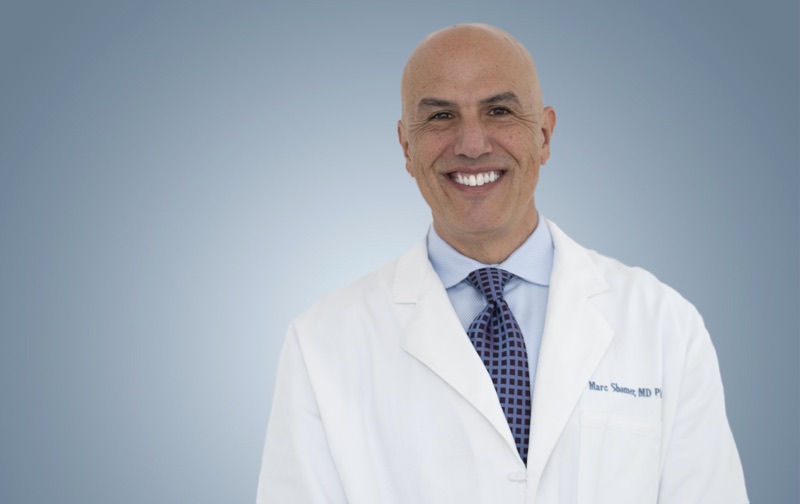
Board-certified ophthalmologist; Adjunct Associate Professor of Ophthalmology, Keck School of Medicine of USC; active California Qualified Medical Evaluator. Full biography · Curriculum vitae
Published August 2, 2026 · Last substantive review August 2, 2026 · Medical reviewer: Marc H. Shomer, MD, PhD, QME
Request a Conflict Check and Case Review
Submit the matter for conflict screening. Please do not send medical records or protected health information until conflicts are cleared and secure transfer instructions are provided.