QME, AME, IME, Expert Witness: Four Roles, Plainly Explained
The four labels attach to different things: QME is a state-issued designation, AME is a role created by the parties' agreement, IME is a category of examination, and expert witness is a litigation function. One physician can hold or serve in all four: but each carries its own selection process, legal context, and report requirements. Confusing them is common, and occasionally consequential, so here is each one in plain terms.
QME: A State Designation for Workers' Compensation
What it is. A Qualified Medical Evaluator is a physician appointed by the Administrative Director of the California Division of Workers' Compensation (DWC) under Labor Code section 139.2, after passing a competency examination and meeting education requirements. The designation must be maintained through reappointment every two years with continuing education.
When it applies. California workers' compensation cases in which a medical dispute, injury causation, permanent impairment, apportionment, treatment need, requires a medical-legal evaluation outside the treating relationship.
Who selects the physician. Neither side unilaterally. In the typical process, the DWC issues a randomly generated panel of three QMEs in the relevant specialty; depending on representation status, the parties strike names or the employee selects from the panel. The randomness is the point: the system is designed so that neither party simply hires its preferred doctor.
How the report differs. QME reports are governed by regulation, content requirements, timelines, and service obligations, and address statutory questions: permanent and stationary status, whole person impairment under the AMA Guides, 5th Edition, and apportionment under Labor Code sections 4663 and 4664. The report goes to both parties and can be the basis of an award at the Workers' Compensation Appeals Board. Details of the ophthalmic version of this work are at ophthalmology QME evaluations.
AME: A Role Created by Agreement
What it is. An Agreed Medical Evaluator is a physician that both sides of a represented workers' compensation case, the applicant's attorney and the defense, jointly agree to use instead of the panel process. AME is not a separate credential; it is a role a physician (in practice, typically a QME) serves in because the parties chose them. Describing someone as "AME-certified" is a category error.
When it applies. Only in represented workers' compensation cases, and only when both sides can agree on an evaluator.
Who selects the physician. Both parties, by stipulation. This is the defining feature.
How the report differs. The report addresses the same statutory questions as a QME report, but its practical weight is greater: because both sides picked the evaluator, neither can readily dismiss the resulting opinion as partisan. Workers' compensation judges give AME reports substantial weight for the same reason. An AME opinion is not binding, however: it must still constitute substantial medical evidence, the parties retain the right to seek supplemental reports and to depose the evaluator, and a judge may reject an opinion that does not hold up. Physicians are asked to serve as AME when their reporting has earned the confidence of both bars, see Agreed Medical Evaluator services.
IME: A Category of Examination
What it is. An Independent Medical Examination is the general term for an examination performed by a physician who has no treating relationship with the examinee, conducted to answer questions for a legal or administrative process rather than to provide care. Unlike QME, the term carries no statutory appointment; unlike AME, no requirement of mutual agreement.
When it applies. Broadly: personal injury litigation (often as a defense medical examination), long-term disability claims, liability matters, fitness-for-duty questions, and insurance disputes, in every state. IMEs are the workhorse of civil medical evaluation nationwide.
Who selects the physician. Usually the requesting party: an insurer, a defense firm, sometimes a court or an agency. The examinee's side does not typically choose the examiner, though procedural rules govern the examination's scope and conduct.
How the report differs. The report answers the referral questions posed by the retaining party: diagnosis, causation, extent of impairment, treatment reasonableness, prognosis. Format follows professional convention and the retaining context rather than a single statutory template. What a thorough ophthalmic IME involves is described in independent medical examinations and Preparing for an Ophthalmology IME.
Expert Witness: A Litigation Function
What it is. An expert witness is a person qualified by knowledge, skill, experience, training, or education to give opinion testimony in litigation. It is a function defined by the rules of evidence, not a credential, the court decides in each case whether the witness qualifies.
When it applies. Any litigation where specialized knowledge would help the trier of fact: medical malpractice, personal injury, product liability, criminal matters, and beyond. An expert may examine the plaintiff, but much expert work is records-based: record review, causation analysis, and standard-of-care opinions.
Who selects the physician. The retaining party, unilaterally. Plaintiff and defense each retain their own experts, and the adversarial process, disclosure, deposition, cross-examination, tests them.
How the report differs. In federal court and many state systems, testifying experts produce disclosure reports stating all opinions, their bases, and the materials considered; the expert then defends the report at deposition and trial. The report's authority comes not from a statute but from the quality of its reasoning under adversarial fire.
One Physician, Four Hats
The categories describe contexts, not different doctors. Dr. Shomer, for example, holds the QME designation, serves as AME when the parties select him, performs IMEs by arrangement, and works as a retained ophthalmology expert witness nationwide. The clinical examination is similar across all four; what changes is who chose the evaluator, what law frames the questions, and what the report must contain. For attorneys, the practical takeaway is to name the role precisely at engagement, because the role determines the rules the work must follow.
Frequently Asked Questions
What is the difference between a QME and an IME?
A QME is a physician holding a specific California state appointment to evaluate workers' compensation disputes, selected through a regulated panel process. An IME is any examination by a non-treating physician for legal or insurance purposes, available in all states and case types, with the examiner usually chosen by the requesting party.
Who picks the doctor in each role?
QME: selection from a randomly generated state panel. AME: both parties jointly agree on the physician. IME: typically the requesting party, an insurer or defense counsel. Expert witness: the retaining party unilaterally, with the opinions then tested through the adversarial process.
Why do AME opinions carry extra weight?
Because both sides of the case agreed in advance to use that physician, neither can credibly attack the evaluator as the other side's hired opinion. Workers' compensation judges accordingly give AME findings substantial deference, and they are difficult for either party to displace, though they are not binding and remain open to supplemental reporting, deposition and judicial scrutiny.
Can the same physician serve in all four roles?
Yes. A physician may hold the QME designation, be selected as AME when parties agree, perform IMEs in civil and disability matters, and testify as a retained expert witness. The roles differ in who selects the evaluator and what legal framework governs the report, not in the underlying clinical examination.
Authorities Cited
Primary sources referenced on this page. Links open the official text on the publishing agency’s site.
Educational information only. This page provides general information for attorneys and other medical-legal professionals. It is not medical or legal advice, does not address any particular case, and does not create a physician-patient, attorney-client, or expert-client relationship. Opinions in any matter are formed only after review of the specific records, examination findings, and applicable literature. Past engagements do not guarantee any result.
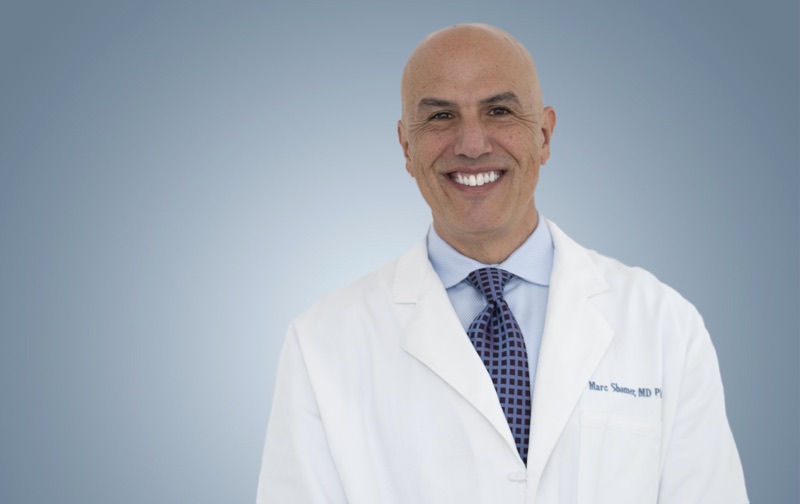
Board-certified ophthalmologist; Adjunct Associate Professor of Ophthalmology, Keck School of Medicine of USC; active California Qualified Medical Evaluator. Full biography · Curriculum vitae
Published August 2, 2026 · Last substantive review August 2, 2026 · Medical reviewer: Marc H. Shomer, MD, PhD, QME
Request a Conflict Check and Case Review
Submit the matter for conflict screening. Please do not send medical records or protected health information until conflicts are cleared and secure transfer instructions are provided.