Ophthalmology Expert Witness
Independent expert consultation, reports, and testimony in civil and criminal matters involving the eye and vision.
Learn more →Ophthalmology Expert Witness, Qualified Medical Evaluator, Agreed Medical Evaluator and Independent Medical Examiner
Independent ophthalmic analysis, medical-record review and expert consultation for attorneys, insurers, claims professionals and government agencies.
Nationwide expert-witness consultation, record review and in-person ophthalmic evaluation. California QME and AME services. Licensed in California and Nevada, with in-person independent medical examinations available in both states. Willing to travel for examinations, depositions and testimony by arrangement.
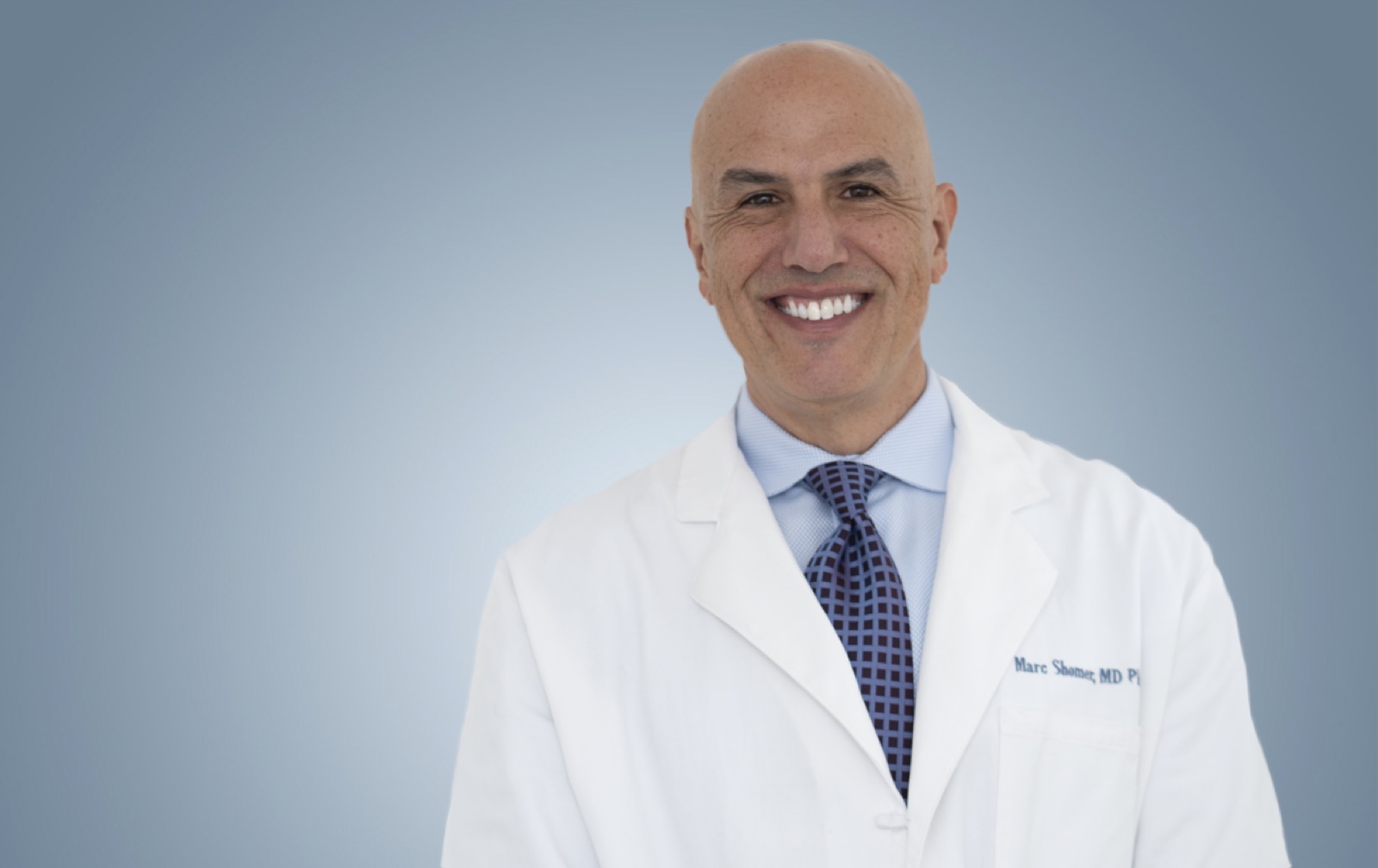
Dr. Shomer is not a referral directory or a placement service. Attorneys who engage Legal Eye Expert work directly with the ophthalmologist who reads the records, interprets the imaging, examines the claimant when appropriate, writes the report, and testifies.
He is a board-certified ophthalmologist and physician-scientist with MD and PhD training through the UCLA Medical Scientist Training Program, ophthalmology residency at the Jules Stein Eye Institute, and a comprehensive ophthalmology practice in Upland, California since 2010. He has provided medical-legal consultation for more than 13 years, in plaintiff and defense matters, including record review, written reports, deposition testimony and courtroom testimony.
Consultation, evaluation and testimony across the full range of vision-related legal matters.
Independent expert consultation, reports, and testimony in civil and criminal matters involving the eye and vision.
Learn more →Qualified Medical Evaluator examinations and medical-legal reports for disputed California workers' compensation eye injuries.
Learn more →Service as AME in represented workers' compensation matters when both parties select Dr. Shomer.
Learn more →Ophthalmic IMEs with complete diagnostic testing for personal injury, disability, and liability matters.
Learn more →Complete chart and native-format imaging review, available remotely for matters nationwide.
Learn more →Analysis of whether ophthalmic care met the standard expected of a reasonably careful ophthalmologist.
Learn more →Whether claimed visual loss is attributable to the incident, to pre-existing disease, or to another cause.
Learn more →Objective measurement and rating of visual impairment for compensation and damages purposes.
Learn more →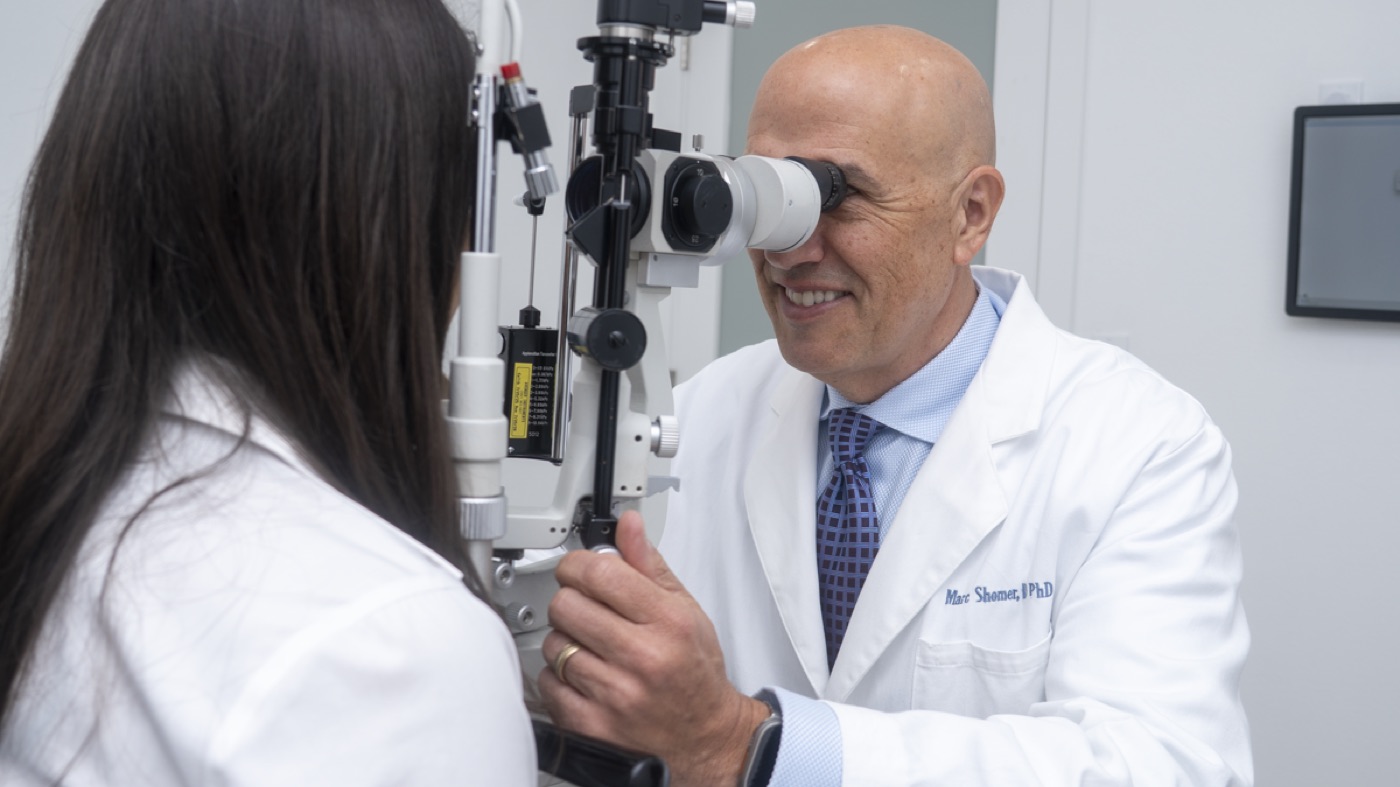
Vision cases turn on specific clinical questions. Each area below has a dedicated page explaining the medical issues, the records that matter, and the causation and standard-of-care considerations attorneys should understand.
Any licensed physician can be retained as an expert witness. A Qualified Medical Evaluator is different: the QME designation is issued by the State of California through the Division of Workers' Compensation under Labor Code §139.2, and requires passing a state competency examination in medical-legal evaluation, meeting specific education and practice requirements, and completing ongoing education with reappointment every two years.
The designation exists because California requires disputed workers' compensation injuries to be evaluated by physicians the state has vetted for medical-legal competence, not merely for clinical skill. Dr. Shomer holds an active California QME appointment and is available to serve as an Agreed Medical Evaluator when both parties select him.
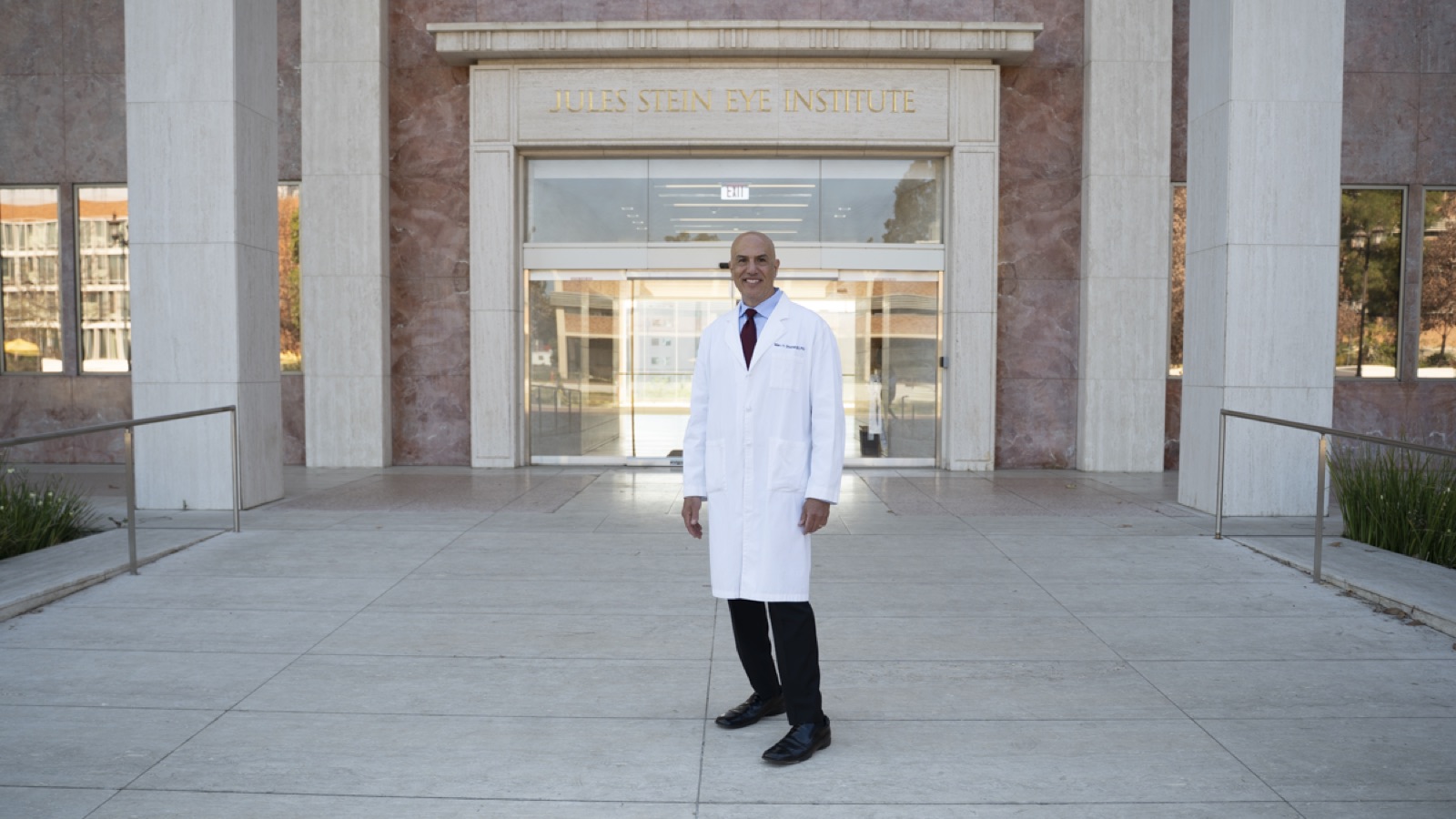
Dr. Shomer earned both his MD and his PhD in neuroscience at UCLA through the Medical Scientist Training Program, completing doctoral research on axonal sprouting in the adult brain and later studying injury-induced neurogenesis in the adult mammalian retina at the UCLA Department of Ophthalmology. He completed his ophthalmology residency at the Jules Stein Eye Institute and has been certified by the American Board of Ophthalmology since 2011, recertifying in 2021.
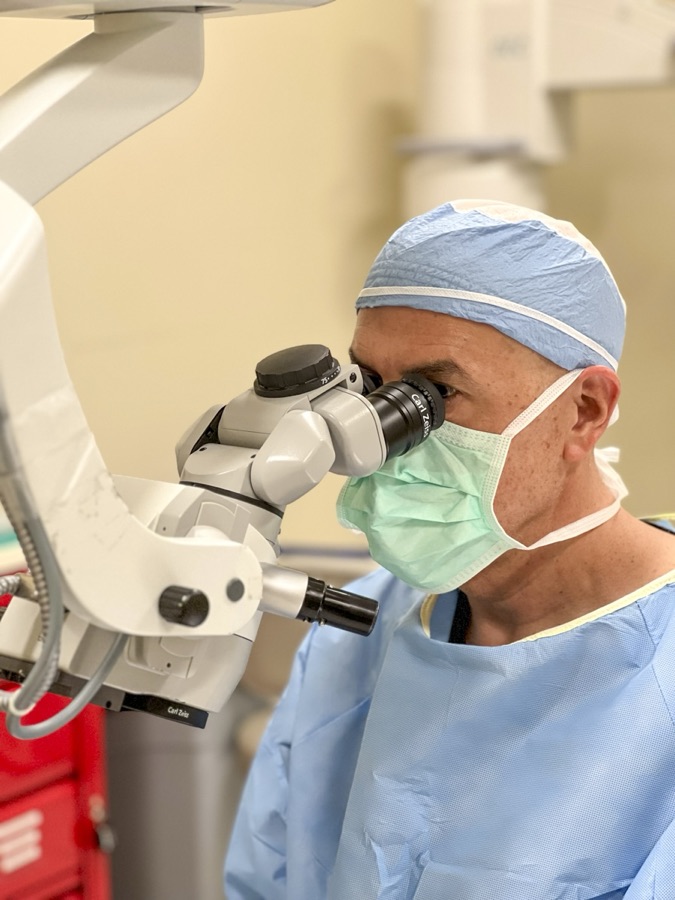
He has served as Adjunct Associate Professor of Ophthalmology at the Keck School of Medicine of USC since 2009 and maintains an active comprehensive ophthalmology practice. That combination, active surgical practice, formal research training, and academic teaching, is what allows him to evaluate ophthalmic evidence rigorously and explain it clearly to attorneys, judges and juries.
Every engagement follows the same sequence, regardless of which party retains him. The discipline is what makes an opinion defensible under cross-examination.
Every matter begins with a conflict check before any substantive discussion of the facts.
The precise medical-legal questions are identified and agreed in writing, so the review answers what counsel actually needs.
The complete record is read, not summaries, and diagnostic imaging is reviewed in native digital format where available.
A dated, source-cited timeline establishes what was known, when, and what followed.
Findings are interpreted directly rather than accepted as characterized in the notes or by another expert.
In-person ophthalmic examination with complete diagnostic testing when the matter warrants and arrangements permit.
Competing causes and reasonable differential diagnoses are considered explicitly, not ignored.
Applicable peer-reviewed literature and professional guidance inform the analysis.
Written work separates established facts from assumptions from professional judgment.
Written reports when retained for that purpose; deposition and trial testimony as the matter requires.
Dr. Shomer accepts carefully selected plaintiff and defense engagements. He is not an advocate for either side; his role is to evaluate the medical evidence independently and to state what it does and does not support, including when that answer is unwelcome to the retaining party.
Prior engagement in a matter does not imply endorsement of either plaintiff or defense positions. Opinions are based on the available evidence and the physician's independent medical judgment.
That balance is practical, not merely principled. An expert whose conclusions are predictable from the retaining party is easily impeached. An expert who screens cases candidly at the outset, and declines those the evidence does not support, testifies from a stronger position when a case does proceed. See Representative Medical-Legal Experience.
Substantive resources on retaining an ophthalmology expert, assembling records, and understanding the ophthalmic evidence in your case.
The engagement sequence from conflict check to report, and how to time it against discovery deadlines.
Read →A complete checklist, including why native-format imaging matters more than printouts.
Read →Practical steps, records to gather, and the questions worth asking an ophthalmology expert.
Read →Answers to the questions counsel most often ask before engaging an ophthalmology expert.
Read →An ophthalmology expert witness is a physician specializing in diseases and surgery of the eye who provides independent opinions in legal matters, on diagnosis, causation, standard of care, or visual impairment, through medical-record review, written reports, and testimony at deposition and trial.
A QME is a physician appointed by the California Division of Workers' Compensation to evaluate disputed workers' compensation injuries, after passing a state competency examination and meeting ongoing education requirements. An AME is a physician both parties in a represented California workers' compensation case agree to use, a role, not a separate credential. An IME is a general term for an examination by a physician not involved in the examinee's care, used in personal injury, disability, and liability matters nationwide.
Yes. Dr. Shomer holds an active appointment as a California Qualified Medical Evaluator and is available for QME evaluations in California workers' compensation matters, and to serve as an Agreed Medical Evaluator when selected by the parties.
Nationwide. Expert-witness consultation, remote medical-record review, in-person ophthalmic examinations and IMEs are all available in any state. Dr. Shomer is willing to travel for examinations, depositions, and testimony by arrangement, subject to availability.
Both. He accepts carefully selected plaintiff and defense engagements. Opinions are formed independently on the evidence, and prior engagement in a matter does not imply endorsement of either plaintiff or defense positions.
Submit a conflict-check request describing the matter, parties, venue, and deadlines. After conflicts are cleared, secure transfer instructions are provided and a written engagement agreement defines the scope. Retention occurs only through that written agreement.
Last updated August 2, 2026
To begin, submit the matter for conflict screening through the secure inquiry form. Include the parties, venue, and any deadlines. After conflicts are cleared, secure transfer instructions and engagement terms will be provided.
Do not submit medical records, protected health information or confidential documents through the preliminary inquiry form. Secure transfer instructions will be provided after conflict review.
Submitting an inquiry does not retain Dr. Shomer and does not create a physician-patient, attorney-client or expert-client relationship. Retention occurs only through a written agreement.
Submit the matter for conflict screening. Please do not send medical records or protected health information until conflicts are cleared and secure transfer instructions are provided.