Preparing for an Ophthalmology IME
An ophthalmology independent medical examination (IME) runs smoothly when three things are handled in advance: the complete records reach the examiner well before the appointment, the examinee arrives with current glasses and an accurate medication list, and everyone understands that dilation will likely blur near vision and preclude driving for several hours afterward. This page tells counsel and claims professionals what to arrange, what the examination involves, and what the resulting report will address.
Scheduling and Logistics
Plan for the appointment itself to take one to two hours or more, depending on the testing required. Ophthalmic examination is equipment-dependent, slit lamp, automated perimeter, OCT scanner, and related instruments, so examinations occur in an equipped office rather than an attorney's conference room. Dr. Shomer travels for examinations by arrangement; matters requiring only records analysis can proceed by remote review nationwide. When scheduling, identify the matter type (personal injury IME, disability evaluation, or a California workers' compensation QME evaluation, which follows its own statutory procedures and timelines) and any interpreter needs.
Records to Send Beforehand
The examination is one data point; the records are the context that gives it meaning. Send, well in advance of the appointment:
- The complete ophthalmic and optometric chart from all providers, including pre-incident records that establish baseline vision.
- All imaging in native format, OCT, visual fields, photographs, as detailed in What Records to Provide.
- Operative reports and hospital or emergency records related to the injury or treatment at issue.
- The referral questions: the specific issues the report should address.
Records arriving the day of the examination, or after it, delay the report and can necessitate an addendum. Advance review also lets the examiner plan which tests the appointment must include.
What the Examinee Should Bring
- All current glasses and contact lenses, including reading glasses. Best-corrected acuity, the legally meaningful measurement, starts from the examinee's actual correction.
- A complete list of medications, including eye drops with dosing frequency, and a list of drug allergies.
- Photo identification, and any appointment paperwork provided.
- A driver, because of dilation (below).
Contact lens wearers should ask in advance whether lenses must be left out before the visit, since lens wear can temporarily mold the cornea and affect measurements.
What Testing to Expect
A typical medical-legal ophthalmic examination includes measurement of visual acuity with and without correction and by pinhole; refraction to establish best-corrected acuity; pupillary testing; assessment of eye movements and alignment; intraocular pressure measurement; slit-lamp examination of the front of the eye; and a dilated examination of the lens, retina, and optic nerve. Depending on the questions presented, it may add automated visual field testing, OCT imaging, and photography. None of the testing is painful. The battery is tailored to the referral questions, a claimed field loss requires perimetry; a surgical outcome dispute emphasizes anterior segment findings and biometry review.
Dilation and Driving
A meaningful examination of the retina and optic nerve requires dilating drops, which enlarge the pupils for roughly four to six hours. During that time, near vision is blurred and light sensitivity is pronounced; examinees should not plan to drive and should bring sunglasses and a driver, or arrange transportation. Counsel scheduling the examinee's day should not book anything vision-dependent for the hours after the appointment.
What the Report Will Address
The report responds to the referral questions and typically covers: the records reviewed; the history obtained; examination findings in detail; diagnoses; causation analysis relating findings to the events at issue, including consideration of pre-existing conditions and alternative explanations; functional impact and, where requested, impairment rating under the applicable guides; prognosis and future care needs; and the limitations of the evaluation. Conclusions the evidence cannot support are identified as such, an honest report states what cannot be determined as clearly as what can. Report structure is discussed further in the IME FAQs.
Key point: The three preparation failures that most often compromise an IME are late records, missing glasses, and no transportation plan for dilation. All three are avoidable with one email a week before the appointment.
What Attorneys Should Provide
Complete records in advance, precise referral questions, accurate scheduling information, and clear instructions to the examinee about glasses, medication lists, and dilation. The office can be reached at 909-981-9800 for scheduling questions.
Frequently Asked Questions
How long does an ophthalmology IME take?
Typically one to two hours or more, depending on the testing the referral questions require. Dilation adds waiting time during the visit, and its effects, blurred near vision and light sensitivity, persist roughly four to six hours afterward, so examinees should arrange transportation.
What should the examinee bring to the examination?
All current glasses and contact lenses including reading glasses, a complete list of medications and eye drops, photo identification, sunglasses, and a driver. Contact lens wearers should ask in advance whether lenses need to be left out before the appointment.
Why do records need to arrive before the examination?
Advance review lets the examiner identify what testing the appointment must include and interpret findings against the documented history and baseline. Records arriving at or after the examination delay the report and may force an addendum if they change the analysis.
Is an IME the same as a QME evaluation?
No. IME is a general term for an examination by a physician not involved in the examinee's care, used across personal injury, disability, and liability matters. A QME evaluation is a California workers' compensation procedure performed by a state-appointed Qualified Medical Evaluator under specific statutory rules and timelines. The clinical examination overlaps, but the legal framework and report requirements differ.
Educational information only. This page provides general information for attorneys and other medical-legal professionals. It is not medical or legal advice, does not address any particular case, and does not create a physician-patient, attorney-client, or expert-client relationship. Opinions in any matter are formed only after review of the specific records, examination findings, and applicable literature. Past engagements do not guarantee any result.
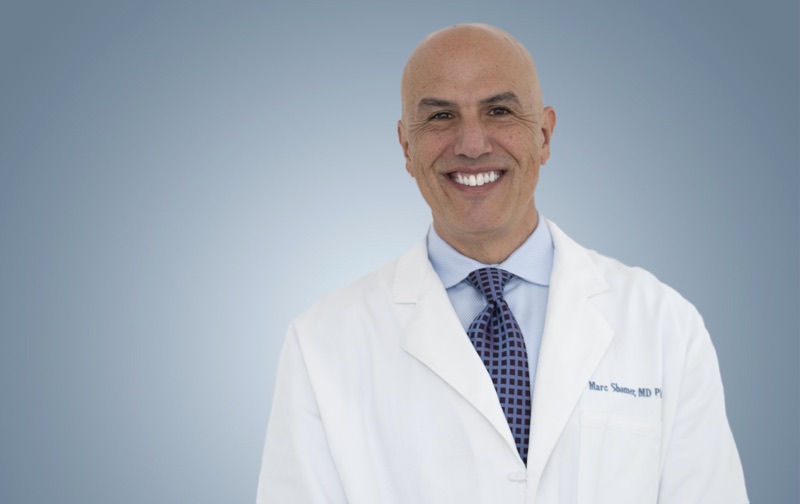
Board-certified ophthalmologist; Adjunct Associate Professor of Ophthalmology, Keck School of Medicine of USC; active California Qualified Medical Evaluator. Full biography · Curriculum vitae
Published August 2, 2026 · Last substantive review August 2, 2026 · Medical reviewer: Marc H. Shomer, MD, PhD, QME
Request a Conflict Check and Case Review
Submit the matter for conflict screening. Please do not send medical records or protected health information until conflicts are cleared and secure transfer instructions are provided.