LASIK Expert Witness
A LASIK expert witness evaluates whether a poor outcome after laser vision correction reflects negligent screening, inadequate consent, or improper surgical or postoperative management, or instead a known risk that materialized despite proper care. Because LASIK is elective surgery on healthy eyes, the screening and consent record carries unusual weight: the strongest claims and defenses are usually built there, not in the operating room.
Dr. Marc H. Shomer, a board-certified comprehensive ophthalmologist with more than 13 years of medical-legal consulting experience, reviews LASIK matters for plaintiff and defense counsel nationwide.
Why LASIK Cases Center on Patient Selection
LASIK reshapes the cornea with an excimer laser beneath a hinged flap. The operation itself is brief and highly automated; the professional judgment concentrates in deciding who should not have it. An elective procedure on a seeing eye also raises the consent bar: a patient who was never an appropriate candidate, or who was not told of a specific risk that materialized, presents a fundamentally different case from one whose known risk simply occurred. The general framework is discussed on the standard of care expert page.
Screening: What the Standard of Care Requires
Preoperative evaluation includes corneal topography (a map of corneal shape used to detect keratoconus and other irregular patterns), pachymetry (measurement of corneal thickness), a stable refraction over time, and calculation of the tissue that will remain after ablation. The purpose is chiefly to identify eyes at risk of ectasia, progressive post-LASIK corneal bulging and distortion that can cause permanent visual loss. Recognized risk factors include abnormal or asymmetric topography, thin corneas, high corrections leaving an inadequate residual stromal bed, and young age. Screening records also address dry eye, pupil size, and unrealistic expectations. In ectasia litigation, the preoperative topography is usually the single most contested exhibit: reasonable experts can disagree about borderline maps, and an honest opinion says so when a map is genuinely borderline.
Common Allegations
- Negligent screening: proceeding despite topographic warning signs, thin corneas, or an excessive planned ablation.
- Inadequate informed consent: failure to disclose ectasia, permanent dry eye, night-vision symptoms, or the possibility of needing glasses despite surgery.
- Flap complications: incomplete, buttonholed, or free flaps at surgery; later flap dislocation, wrinkles (striae), epithelial ingrowth, or inflammation beneath the flap. Most are manageable; the analysis concerns recognition and response.
- Ectasia: the most serious claim category, combining screening, consent, and causation questions.
- Chronic dry eye and night-vision complaints: glare, halos, and starbursts; frequency and severity vary, and preoperative counseling is the usual battleground.
- Enhancement decisions, whether a second treatment was appropriate given residual corneal thickness and refractive stability.
Records Commonly Reviewed
All preoperative topographies and pachymetry (as images and maps, not just summary numbers), manifest and cycloplegic refractions, the consent packet and any videos or quizzes used, laser treatment printouts, operative and postoperative notes, and, critically in ectasia cases, years of follow-up records establishing when distortion began. Comparison of preoperative maps with postoperative tomography often drives the causation opinion. Organized assembly of this record is described under medical record review and what records to provide.
Causation Considerations and Honest Limits
Ectasia can occur, uncommonly, in eyes with normal preoperative screening; keratoconus also exists in people who never had surgery. So causation analysis asks whether the preoperative maps showed recognized risk markers and whether the postoperative pattern is consistent with surgically induced weakening. Dry-eye and night-vision complaints are partly subjective, and an expert should distinguish measurable findings from symptom reports. No review can establish what a patient was told orally beyond what the record and testimony support.
What Attorneys Should Provide
The complete refractive-surgery chart including all imaging in native or image form, prior optometric records establishing refractive stability, subsequent-treater records (cornea specialists, contact-lens fitters), and both eyes' data even when one eye is at issue, the fellow eye often serves as a valuable internal control.
Frequently Asked Questions
What is post-LASIK ectasia and why does it dominate LASIK litigation?
Ectasia is progressive bulging and distortion of the cornea after LASIK, which can permanently degrade vision. It dominates litigation because it is potentially preventable through screening: preoperative topography and pachymetry can identify many at-risk corneas, so cases turn on whether warning signs were present and heeded.
Can LASIK ectasia occur even with normal screening?
Yes, uncommonly. Some eyes develop ectasia despite preoperative maps that reasonable ophthalmologists would read as normal, and keratoconus occurs in people who never had surgery. That is why the causation analysis compares preoperative imaging against recognized risk markers rather than reasoning backward from the outcome.
What records matter most in a LASIK case?
The preoperative corneal topography and pachymetry, refraction history establishing stability, the consent packet, laser treatment printouts, and long-term follow-up imaging. In ectasia cases the preoperative maps themselves, as images, not just reported numbers, are usually the most contested and most important exhibits.
Are night-vision and dry-eye complaints after LASIK grounds for a claim?
They are recognized side effects that occur after properly performed LASIK, so the analysis usually concerns patient selection and consent: whether risk factors such as pre-existing dry eye were evaluated and whether the possibility of persistent symptoms was disclosed. Objective findings are weighed alongside the subjective complaints.
Educational information only. This page provides general information for attorneys and other medical-legal professionals. It is not medical or legal advice, does not address any particular case, and does not create a physician-patient, attorney-client, or expert-client relationship. Opinions in any matter are formed only after review of the specific records, examination findings, and applicable literature. Past engagements do not guarantee any result.
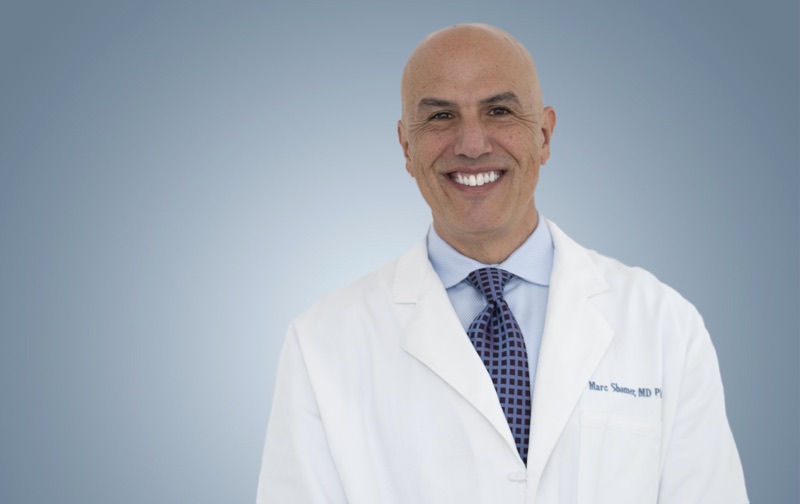
Board-certified ophthalmologist; Adjunct Associate Professor of Ophthalmology, Keck School of Medicine of USC; active California Qualified Medical Evaluator. Full biography · Curriculum vitae
Published August 2, 2026 · Last substantive review August 2, 2026 · Medical reviewer: Marc H. Shomer, MD, PhD, QME
Request a Conflict Check and Case Review
Submit the matter for conflict screening. Please do not send medical records or protected health information until conflicts are cleared and secure transfer instructions are provided.