California QME Ophthalmologist
A California QME ophthalmologist is a board-certified ophthalmologist who has been appointed by the Administrative Director of the California Division of Workers' Compensation (DWC) as a Qualified Medical Evaluator, and who performs medical-legal evaluations of disputed eye and vision claims in the workers' compensation system. Marc H. Shomer, MD, PhD, QME is an active California Qualified Medical Evaluator, board-certified by the American Board of Ophthalmology, and evaluates industrial eye injuries and vision claims throughout California.
Why the QME Designation Matters
The QME designation is a specific distinction issued by the State of California, not a self-applied title. Under Labor Code §139.2, a physician becomes a QME only after passing a competency examination administered by the Division of Workers' Compensation and meeting the statute's education requirements. Appointment is not permanent: QMEs are subject to reappointment every two years and must complete required continuing education in disability evaluation to remain on the state's roster. Many physicians who advertise as expert witnesses do not hold this designation, and only a QME may perform the panel evaluations that resolve medical disputes in California workers' compensation claims.
The distinction matters practically. When medical issues are disputed in a workers' compensation case, whether an eye condition is industrial, whether the injured worker is permanent and stationary, how much permanent impairment exists, the opinions that carry evidentiary weight come from a QME or, in represented cases where the parties agree, an Agreed Medical Evaluator (AME).
How QME Panel Selection Works
The selection pathway differs depending on whether the injured worker has an attorney.
- Unrepresented cases. When a medical dispute arises, the injured worker requests a QME panel from the DWC Medical Unit. The state issues a randomly generated panel of three QMEs in the relevant specialty, for eye claims, ophthalmology, and the worker strikes none; instead, the worker selects one of the three and schedules the appointment.
- Represented cases. Either party may request a panel in the appropriate specialty. After the three-physician panel issues, each side may strike one name, and the remaining physician becomes the panel QME. Alternatively, the parties may bypass the panel process entirely by agreeing on an AME.
Because panels are specialty-specific, a dispute centered on vision, a corneal chemical burn, a traumatic cataract, a visual field complaint, is ordinarily evaluated by an ophthalmology panel rather than by an orthopedist or internist who happens to be first available.
What an Ophthalmology QME Evaluation Involves
An ophthalmic QME evaluation combines a complete record review with a focused history and a comprehensive eye examination. Typical components include best-corrected visual acuity (BCVA: the sharpest vision achievable with lenses in place), refraction, pupil testing, intraocular pressure, slit-lamp examination of the front of the eye, dilated examination of the retina and optic nerve, and, where indicated, automated visual field testing and optical coherence tomography (OCT), an objective cross-sectional imaging study of the retina. Objective testing is central: it allows the evaluator to check whether measured findings are consistent with the reported level of vision loss.
The product of the evaluation is a written medical-legal report addressing diagnosis, causation, permanent and stationary status, whole person impairment under the AMA Guides, apportionment, future medical care, and work restrictions. The elements of that report are discussed in detail on the ophthalmology QME evaluation page.
Key point: QME is a state-issued designation under Labor Code §139.2, earned by examination and maintained through reappointment. It is distinct from board certification and from general expert-witness experience, Dr. Shomer holds all three qualifications.
Common Disputes an Ophthalmology QME Resolves
Ophthalmology QME evaluations commonly address chemical splash injuries, corneal foreign bodies, blunt and penetrating trauma, welding flash, claimed vision loss after head injury, and the difficult question of how much of a worker's visual impairment stems from the injury versus pre-existing conditions such as cataract, glaucoma, or diabetic retinopathy. Those apportionment questions are treated separately on the apportionment page, and common injury patterns are described on the eye injury QME page.
Dr. Shomer's Availability
Dr. Shomer is an active California QME in ophthalmology. He is board-certified by the American Board of Ophthalmology (certified 2011, recertified 2021), completed his ophthalmology residency at the Jules Stein Eye Institute at UCLA, earned his MD and PhD in neuroscience from UCLA through the Medical Scientist Training Program, and serves as Adjunct Associate Professor of Ophthalmology at the Keck School of Medicine of USC. He has practiced comprehensive ophthalmology in Upland, California since 2010 and has provided medical-legal consulting, record review, written reporting, and testimony, for more than 13 years. In-person evaluations are available nationwide by arrangement; his broader consulting practice, including expert witness work and medical record review, extends nationwide.
What Attorneys and Claims Professionals Should Provide
Complete records make better reports. Helpful materials include all treating ophthalmology and optometry records, imaging and visual field printouts (not just interpretations), pre-injury eye examinations if any exist, the DWC claim documents framing the disputed issues, and job descriptions bearing on work restrictions. Where the dispute involves specific questions, causation, apportionment, permanent and stationary status, identifying those questions in the cover letter, within the rules governing communications with a QME, focuses the evaluation.
Frequently Asked Questions
What is a California QME ophthalmologist?
A QME ophthalmologist is an ophthalmologist appointed by the Administrative Director of the California Division of Workers' Compensation as a Qualified Medical Evaluator under Labor Code §139.2. The physician must pass a state competency examination, meet education requirements, and seek reappointment every two years. QMEs evaluate disputed medical issues in workers' compensation claims, including eye injuries and vision loss.
How is a QME different from an expert witness?
QME is a specific California state designation for workers' compensation evaluations; an expert witness is any qualified physician retained to offer opinions in litigation. Many expert witnesses do not hold the QME designation, and QME reports follow statutory requirements that ordinary expert reports do not. Dr. Shomer serves in both capacities.
How do I get an ophthalmology QME panel for an eye claim?
A party requests a panel from the DWC Medical Unit in the specialty of ophthalmology. In unrepresented cases the injured worker selects one physician from the three-name panel; in represented cases each side may strike one name and the remaining physician performs the evaluation. Procedural questions should be directed to counsel or the DWC.
Does Dr. Shomer perform QME evaluations outside California?
The QME designation applies specifically to the California workers' compensation system. Outside that system, Dr. Shomer performs independent medical examinations nationwide by arrangement and provides remote record review and expert consultation in any jurisdiction.
Authorities Cited
Primary sources referenced on this page. Links open the official text on the publishing agency’s site.
Educational information only. This page provides general information for attorneys and other medical-legal professionals. It is not medical or legal advice, does not address any particular case, and does not create a physician-patient, attorney-client, or expert-client relationship. Opinions in any matter are formed only after review of the specific records, examination findings, and applicable literature. Past engagements do not guarantee any result.
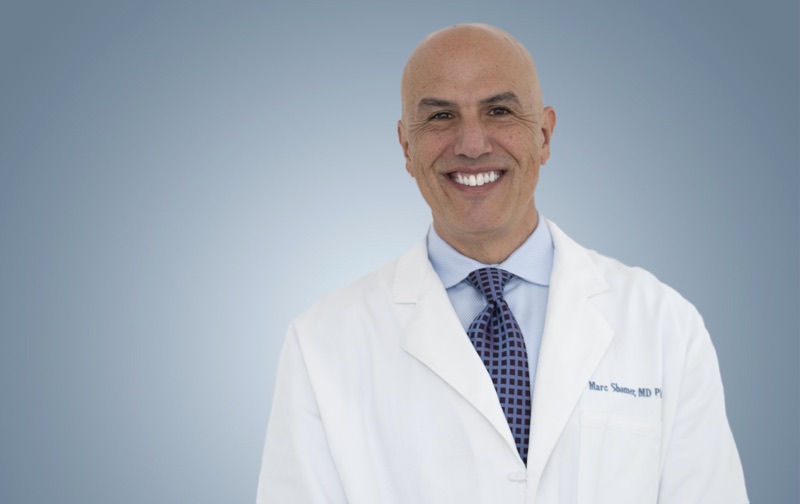
Board-certified ophthalmologist; Adjunct Associate Professor of Ophthalmology, Keck School of Medicine of USC; active California Qualified Medical Evaluator. Full biography · Curriculum vitae
Published August 2, 2026 · Last substantive review August 2, 2026 · Medical reviewer: Marc H. Shomer, MD, PhD, QME
Request a Conflict Check and Case Review
Submit the matter for conflict screening. Please do not send medical records or protected health information until conflicts are cleared and secure transfer instructions are provided.