Ophthalmology Standard-of-Care Expert
The standard of care in ophthalmology is what a reasonably careful ophthalmologist would do under the same or similar circumstances, not perfection, and not what a world-class subspecialist at a university center might do with unlimited resources. Applying that standard to a real record requires an expert who actually practices: Dr. Shomer has maintained a comprehensive ophthalmology practice since 2010 while consulting on medical-legal matters for more than 13 years.
What the standard of care is, and is not
Standard of care is defined by the profession, not by hindsight. An adverse outcome does not establish a departure, and a good outcome does not establish compliance. The question is whether the physician's decisions were within the range of reasonable practice given the information available at the time. Several distinctions recur in ophthalmic cases:
- Judgment calls vs. departures. Where reasonable ophthalmologists could choose differently, for example, timing of cataract surgery in a borderline lens, a choice within that range is not negligence.
- Known complications vs. errors. Posterior capsule rupture, infection, and refractive surprise occur at documented rates in careful hands. The inquiry is whether the risk was disclosed, and whether recognition and management met the standard. See Cataract Surgery Standard of Care.
- Resource context. The standard for a solo comprehensive practice differs in some respects from a tertiary referral center, though core obligations, timely diagnosis of emergencies, appropriate referral, do not relax.
How the analysis proceeds
Dr. Shomer reconstructs the clinical decision points from the complete record: what the physician knew or should have known at each visit, what examinations and tests were done or omitted, what the differential diagnosis should have included, and what action the standard required. The analysis draws on the medical literature, professional guidelines where they exist (for example, screening intervals published by professional bodies), and the realities of contemporary practice. Where guidelines are silent or contested, the opinion says so.
Documentation is evidence, not the event itself. A sparse note does not prove care was not given, and a thorough note does not prove it was. An experienced reviewer weighs charting practices realistically, and identifies where the record genuinely cannot answer the question, a limitation an honest report acknowledges.
For plaintiff counsel
A screening review identifies whether a genuine departure, not merely a bad outcome, appears in the record, and whether causation will hold up independently. Weak theories are flagged before suit, not after discovery.
For defense counsel
The same framework identifies care that fell within the reasonable range, documents the basis for judgment calls, and distinguishes disclosed complications from claimed errors. Where the record contains a genuine problem, counsel is told plainly so strategy can account for it.
What to provide
The complete treating chart with all diagnostic studies in native format, the relevant depositions if taken, and a precise statement of the alleged departures. See What Records to Provide.
Frequently Asked Questions
Who sets the standard of care in ophthalmology?
The profession itself: it is the care a reasonably careful ophthalmologist would provide under similar circumstances, informed by training, the medical literature, and professional guidelines. It is established in litigation through qualified expert testimony, not through hindsight.
Is a bad outcome evidence of negligence?
No. Recognized complications occur at documented rates even with careful technique. The analysis asks whether the decisions and management met the standard given the information available at the time, a question independent of how the outcome turned out.
Does Dr. Shomer still practice?
Yes. He has maintained a comprehensive ophthalmology practice in Upland, California since 2010, which keeps his standard-of-care opinions grounded in contemporary, real-world practice rather than in literature alone.
Educational information only. This page provides general information for attorneys and other medical-legal professionals. It is not medical or legal advice, does not address any particular case, and does not create a physician-patient, attorney-client, or expert-client relationship. Opinions in any matter are formed only after review of the specific records, examination findings, and applicable literature. Past engagements do not guarantee any result.
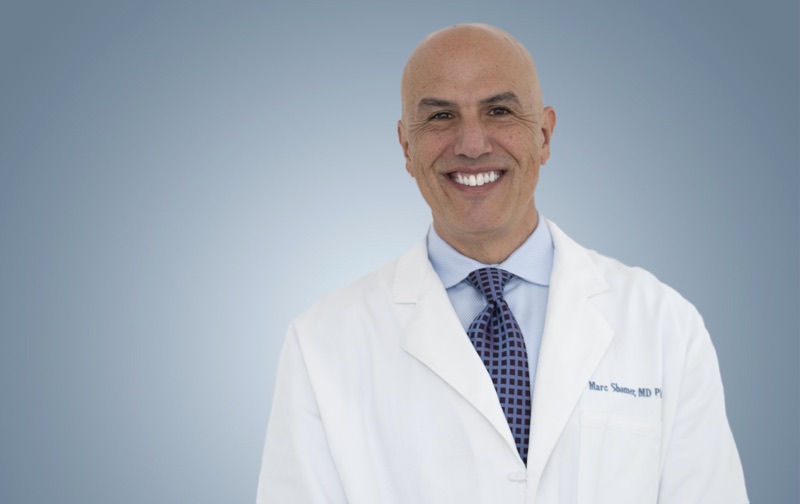
Board-certified ophthalmologist; Adjunct Associate Professor of Ophthalmology, Keck School of Medicine of USC; active California Qualified Medical Evaluator. Full biography · Curriculum vitae
Published August 2, 2026 · Last substantive review August 2, 2026 · Medical reviewer: Marc H. Shomer, MD, PhD, QME
Request a Conflict Check and Case Review
Submit the matter for conflict screening. Please do not send medical records or protected health information until conflicts are cleared and secure transfer instructions are provided.