Pterygium Surgery Expert Witness
A pterygium surgery expert witness evaluates claims arising from removal of a pterygium, a wing-shaped growth of conjunctival tissue that extends onto the cornea and is driven largely by ultraviolet light exposure. Marc H. Shomer, MD, PhD, QME, a board-certified ophthalmologist and anterior segment surgeon, reviews these matters for plaintiff and defense counsel and, in California workers’ compensation claims, as a Qualified Medical Evaluator.
Pterygium excision is often described to patients as a minor procedure. It generates claims for three reasons: the growth frequently comes back, patients often expect a cosmetic result the operation cannot guarantee, and the drug used to prevent recurrence can, in rare cases, damage the eye severely.
Technique is a choice, and the choice is reviewable
There are several accepted ways to close the area left after the pterygium is removed, and they do not perform equally:
- Bare sclera excision leaves the area uncovered. It is the simplest method and carries the highest recurrence risk, reported as upwards of 80 percent in some series.
- Conjunctival autograft covers the area with a patch of the patient’s own conjunctiva, secured with sutures or tissue adhesive. A Cochrane review found a lower risk of recurrence at six months with conjunctival autograft than with amniotic membrane.
- Amniotic membrane graft uses processed donor tissue and is often chosen when the patient’s own conjunctiva must be preserved, for example before possible glaucoma surgery.
- Mitomycin C, an antimetabolite drug applied during surgery, lowers recurrence. The American Academy of Ophthalmology’s technology assessment found that autograft or mitomycin C reduced recurrence compared with bare sclera excision in most studies, and that the data were insufficient to name one adjuvant as superior.
The standard of care therefore does not dictate a single technique. It does require that the surgeon’s choice be reasonable for the eye in question, and a surgeon who chose bare sclera excision without any adjunct should be able to explain why.
Recurring claims
- Recurrence. The most common complaint and, standing alone, the weakest. Recurrence happens with every technique. The analysis looks at whether the method chosen was reasonable, whether postoperative inflammation was controlled, and whether the risk was disclosed.
- Mitomycin C complications. A published series of ten patients documented severe secondary glaucoma, corneal edema, corneal perforation, sudden cataract and incapacitating pain after topical mitomycin C, with vision of 20/200 or worse in five eyes. The authors urged the lowest possible concentration for the shortest time. Scleral thinning and melting can appear long after the operation. The operative note should record the concentration, the exposure time and the irrigation afterward.
- Double vision. A pterygium on the nasal side lies directly over the medial rectus muscle. Injury to the muscle, or scarring that tethers the eye, can restrict movement and cause diplopia. Preoperative motility findings matter, because a large or recurrent pterygium can restrict movement before any surgery.
- Graft problems. Graft dehiscence, retraction, loss, or an inverted graft, and the adequacy of follow-up when they occurred.
- Missed tumor. Ocular surface squamous neoplasia, a tumor of the conjunctiva and cornea, can look like a pterygium. In a review of 2,005 excised pterygia at one institute, 1.7 percent contained this tumor, and more than half of those were not suspected before surgery. Failure to send the excised tissue for pathology, or to act on the report, is a recurring allegation.
- Steroid response. Weeks of postoperative steroid drops can raise eye pressure. Whether pressure was checked during the taper is a simple question the chart answers.
- Expectation and consent. Persistent redness, a visible graft edge, induced astigmatism and recurrence are foreseeable. Whether they were explained is addressed at Informed Consent in Eye Surgery.
The records that matter
The preoperative examination should establish why surgery was indicated: growth toward the visual axis, induced astigmatism, restricted eye movement, chronic inflammation or appearance. Photographs or a drawing with measurements fix the size and location. The consent form should mention recurrence and, if mitomycin C was planned, its off-label use and risks. The operative note, the pathology report and each postoperative visit with pressure measurements complete the picture.
A recurrence is an outcome. A scleral melt is a different case. Most pterygium complaints involve a foreseeable, disclosed outcome after a reasonable operation. The serious cases involve antimetabolite toxicity, an unrecognized tumor, or an eye that can no longer move normally, and those turn on what the operative note and pathology report do and do not say.
Causation, sun exposure and work
Because ultraviolet exposure is the major recognized contributor to pterygium formation, outdoor workers sometimes claim the condition as an occupational disease. The medical questions are whether the work involved sustained sun exposure, how that compares with a lifetime of exposure outside work, and whether the pterygium predated the employment. In California, the evaluator must then apportion permanent disability between industrial and non-industrial causes with the reasoning shown, as described at Apportionment in Ophthalmic Injury Claims. Dr. Shomer addresses these questions as a Qualified Medical Evaluator and as a retained expert. See also Workplace Eye Injuries.
Damages and the measurable deficit
Most pterygium complications leave acuity intact and the dispute concerns comfort, appearance, double vision or astigmatism. These are measurable: corneal topography documents induced astigmatism, prism measurements document misalignment, and photographs document appearance. Where vision is lost, the rating follows the methods described at Visual Disability Evaluation.
Frequently Asked Questions
Is recurrence of a pterygium after surgery malpractice?
Not by itself. Recurrence occurs with every technique. The questions are whether the method chosen was reasonable for that eye, whether postoperative inflammation was managed, and whether the patient was told beforehand that recurrence was possible.
Why should excised pterygium tissue be sent to pathology?
A tumor called ocular surface squamous neoplasia can resemble a pterygium. In one review of 2,005 excised pterygia, 1.7 percent contained this tumor, and more than half of those cases were not suspected before surgery. Pathology is how an unsuspected tumor is found.
What can go wrong with mitomycin C in pterygium surgery?
Mitomycin C lowers the chance of recurrence, but reported complications include scleral thinning and melting, corneal perforation, glaucoma, cataract and severe pain. Published guidance is to use the lowest concentration for the shortest time, and the operative note should record both.
Can a pterygium be a work-related condition?
It can be claimed as one, because ultraviolet light is the major recognized contributor. The evaluation compares occupational sun exposure with lifetime exposure outside work and considers whether the growth predated the job. In California the evaluator must apportion any permanent disability between industrial and non-industrial causes.
Authorities Cited
Primary sources referenced on this page. Links open the source on the publisher’s or agency’s site.
Educational information only. This page provides general information for attorneys and other medical-legal professionals. It is not medical or legal advice, does not address any particular case, and does not create a physician-patient, attorney-client, or expert-client relationship. Opinions in any matter are formed only after review of the specific records, examination findings, and applicable literature. Past engagements do not guarantee any result.
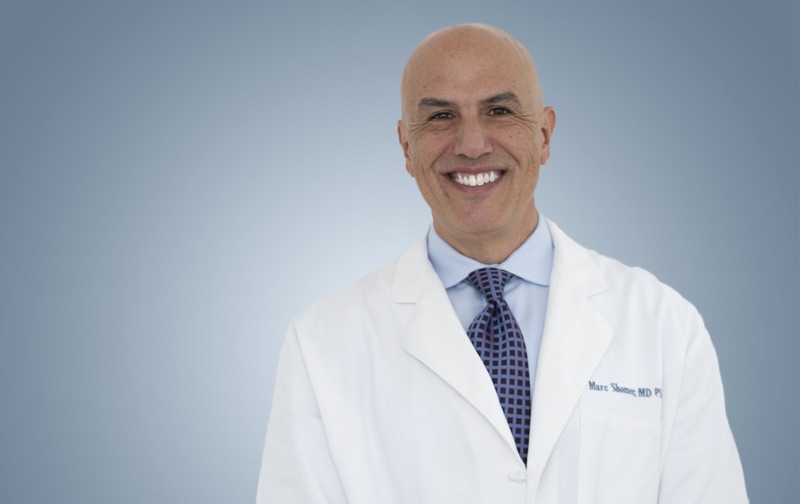
Board-certified ophthalmologist; Adjunct Associate Professor of Ophthalmology, Keck School of Medicine of USC; active California Qualified Medical Evaluator. Full biography · Curriculum vitae
Published October 5, 2026 · Last substantive review October 5, 2026 · Medical reviewer: Marc H. Shomer, MD, PhD, QME
Request a Conflict Check and Case Review
Submit the matter for conflict screening. Please do not send medical records or protected health information until conflicts are cleared and secure transfer instructions are provided.