Workplace Eye Injury Expert Witness
Workplace eye injuries range from a corneal foreign body that heals in days to an open globe that ends a career. Marc H. Shomer, MD, PhD, QME reviews these matters as an ophthalmology expert witness and, in California, as a Qualified Medical Evaluator: establishing the mechanism, connecting or excluding the injury as the cause of the visual loss, separating industrial from non-industrial contributions, and rating what remains.
The injuries that reach litigation
- Corneal and conjunctival foreign bodies from grinding, drilling, hammering or metalwork. Most heal without sequelae; the litigated ones involve a retained fragment, an infected ulcer, a scar in the visual axis, or a missed intraocular foreign body behind a small entry wound.
- Chemical exposure from cleaning agents, cement, plaster, industrial solvents or batteries. Alkali injuries penetrate deeper than acids, and the adequacy and timing of irrigation at the scene and in the emergency department are often the central questions. See Chemical Eye Injury.
- Ultraviolet keratitis (welding flash or arc eye), painful but usually self-limited; a claim of lasting loss after a flash burn calls for careful correlation with the examination findings.
- Blunt trauma from tools, straps, falling objects or falls, producing hyphema, angle recession, traumatic cataract, commotio retinae or orbital fracture. See Blunt Eye Trauma.
- Penetrating and perforating injury from nails, wire, glass and high-speed fragments. See Penetrating Eye Injury.
- Delayed consequences that surface months or years later: angle-recession glaucoma, traumatic cataract, epiretinal membrane, or a retinal detachment from a tear created at the time of injury. These late sequelae are where causation is most often contested.
What the records usually show, and what they miss
The first record is typically an urgent care or emergency department note, followed by an occupational medicine visit and, if the injury is significant, an ophthalmology referral. The documents that decide the case are often the ones nobody requested: the pre-injury optometry record that fixes baseline vision, the safety incident report describing the mechanism, and the ophthalmology chart with its imaging in native digital format. The absence of a dilated fundus examination in the first weeks after a blunt injury is a recurring finding, and it matters because a peripheral retinal tear or early angle recession is invisible without one.
Eye protection changes the analysis, not the medicine. Whether protective eyewear was issued, worn and appropriate for the task bears on liability and, in some jurisdictions, on comparative fault. The medical question is separate: did this mechanism produce this injury, and does the injury explain the measured loss.
Causation and apportionment
Workplace claims often involve an eye with a history. Diabetic retinopathy, glaucoma, high myopia, prior surgery or an earlier injury can each account for part of the present impairment. In California workers’ compensation, Labor Code sections 4663 and 4664 require the evaluator to state what percentage of the permanent disability was caused by the industrial injury and what percentage by other factors, with the reasoning shown. The method is explained at Apportionment in Ophthalmic Injury Claims and illustrated in a worked example.
Impairment rating
Permanent visual impairment is rated from best-corrected visual acuity, visual field extent and, where present, diplopia and other functional deficits, using the AMA Guides framework and, in California, the Schedule for Rating Permanent Disabilities. The rating is only as good as the underlying testing: an unreliable visual field or an uncorrected refraction produces a number that will not survive review. See Whole Person Impairment for Vision Loss and Visual Disability Evaluation.
Roles Dr. Shomer serves in workplace matters
- California Qualified Medical Evaluator or Agreed Medical Evaluator in disputed workers’ compensation claims. See Eye Injury QME Evaluations.
- Independent medical examiner for carriers and third-party administrators in California and Nevada.
- Retained expert for plaintiff or defense counsel in third-party actions arising from workplace injuries, including product and premises claims, where the workers’ compensation exclusivity rule does not bar suit.
What attorneys should gather
The incident report and any photographs of the scene or the object; the emergency and occupational medicine records; every ophthalmology and optometry record before and after the injury; imaging in native format; and the safety program documentation covering eye protection for the task. The general checklist is at Attorney Checklist for Eye Injury Cases.
Frequently Asked Questions
Can a small corneal foreign body cause permanent vision loss?
Usually not. A superficial foreign body removed promptly heals without lasting effect. Permanent loss arises when a fragment is retained, an infection follows, a scar forms in the visual axis, or the entry wound was actually a penetrating injury with an intraocular foreign body that went unrecognized.
Why do some work-related eye problems appear years after the injury?
Certain consequences of blunt trauma develop slowly. Angle recession can raise eye pressure and cause glaucoma years later, a traumatic cataract can take time to become visually significant, and a retinal tear created at the time of injury can lead to a detachment long afterward. Connecting a late event to the original injury depends on the examination findings documented at the time.
How is a workplace eye injury apportioned in California?
The evaluator determines what percentage of the permanent disability was directly caused by the industrial injury and what percentage by other factors such as pre-existing disease, prior injury or natural progression, as Labor Code sections 4663 and 4664 require. The opinion must show how each percentage was reached.
Does it matter whether safety glasses were worn?
For the medical analysis, the question is whether the described mechanism produced the documented injury. Whether appropriate protection was issued and worn is a liability and fault question for counsel, and the incident report and safety records are the place it is answered.
Authorities Cited
Primary sources referenced on this page. Links open the official text on the publishing agency’s site.
Educational information only. This page provides general information for attorneys and other medical-legal professionals. It is not medical or legal advice, does not address any particular case, and does not create a physician-patient, attorney-client, or expert-client relationship. Opinions in any matter are formed only after review of the specific records, examination findings, and applicable literature. Past engagements do not guarantee any result.
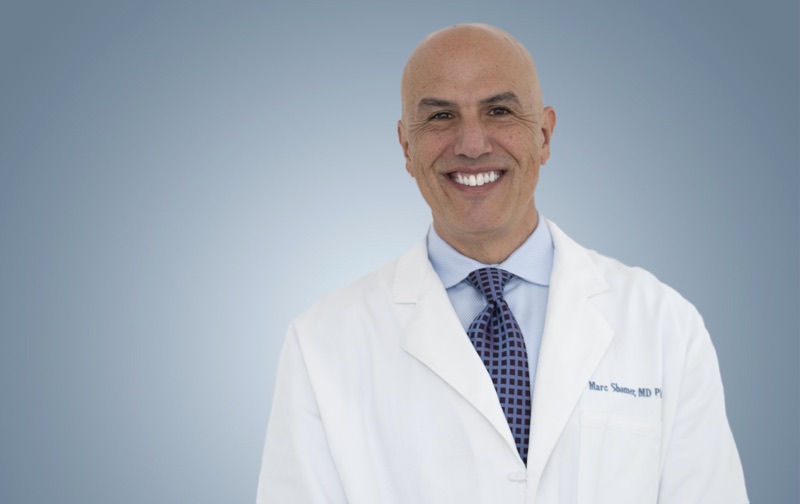
Board-certified ophthalmologist; Adjunct Associate Professor of Ophthalmology, Keck School of Medicine of USC; active California Qualified Medical Evaluator. Full biography · Curriculum vitae
Published September 16, 2026 · Last substantive review September 16, 2026 · Medical reviewer: Marc H. Shomer, MD, PhD, QME
Request a Conflict Check and Case Review
Submit the matter for conflict screening. Please do not send medical records or protected health information until conflicts are cleared and secure transfer instructions are provided.