Ophthalmology Medical Record Review
Medical record review is the foundation of every ophthalmic medical-legal opinion: a systematic, complete reading of the clinical record, including diagnostic imaging in its native format, by a physician qualified to interpret it. Dr. Marc H. Shomer performs record review for matters nationwide; no examination or travel is required, so counsel in any state can engage this service remotely.
Why specialist review changes cases
Ophthalmic records are dense with abbreviations, device printouts, and measurements that non-specialists, including physicians in other fields, routinely misread. The difference between uncorrected and best-corrected acuity, a visual field's reliability indices, or a single line in an operative note can reverse the apparent meaning of a chart. A specialist review reads the record the way the treating ophthalmologist wrote it, and reads the imaging directly rather than relying on the printed interpretation.
What a complete review includes
- Every document, not summaries. Clinic notes, operative reports, consent forms, telephone logs, referral letters, optometry records, and pharmacy data.
- Native-format diagnostics. OCT scans, visual fields, topography, biometry, and photographs reviewed as digital originals where available, printouts and scanned copies lose clinically decisive detail. See OCT Evidence.
- Independent re-interpretation. The imaging is read fresh, not accepted as characterized in the notes.
- Gap identification. Missing records that matter, a baseline refraction, an unscanned field test, are identified so counsel can obtain them before positions harden.
Work product options
- Oral findings, a candid telephone assessment, often the right first step while a matter is being evaluated
- Written report, findings and opinions with transparent reasoning, prepared for the applicable disclosure rules when counsel elects
- Clinical chronology, a dated, sourced timeline of ophthalmic events, invaluable in delayed-diagnosis cases
- Deposition support, proposed lines of examination on the ophthalmic records for treating physicians and opposing experts
Remote and nationwide. Record review requires no examination, so geography is irrelevant: matters from any U.S. jurisdiction can be reviewed with secure electronic transfer. See Nationwide Record Review.
How to prepare records for review
Complete, organized, and Bates-stamped records reviewed once cost less than fragments reviewed three times. Counsel should request diagnostic studies in native digital export from the treating practice, most modern devices can export originals, and include optometry and pre-incident records that establish baseline. Details: What Records to Provide.
Frequently Asked Questions
Can records be reviewed for cases outside California?
Yes. Record review is performed remotely for matters anywhere in the United States. Reports and video testimony can follow under the rules of the relevant jurisdiction, with travel by arrangement when live testimony is needed.
What format should records be in?
Organized PDFs with Bates numbering are ideal for documents; diagnostic imaging should additionally be obtained in native digital format from the treating practice whenever possible, because printouts lose measurable detail that can be case-decisive.
Does review always produce a written report?
No, only when counsel requests one. Many engagements appropriately begin and sometimes end with candid oral findings, which preserves counsel's flexibility under the applicable discovery rules.
How long does review take?
It depends on record volume and imaging complexity; a realistic schedule is set when the engagement is defined. Deadlines should be identified in the initial inquiry so feasibility can be addressed honestly.
Educational information only. This page provides general information for attorneys and other medical-legal professionals. It is not medical or legal advice, does not address any particular case, and does not create a physician-patient, attorney-client, or expert-client relationship. Opinions in any matter are formed only after review of the specific records, examination findings, and applicable literature. Past engagements do not guarantee any result.
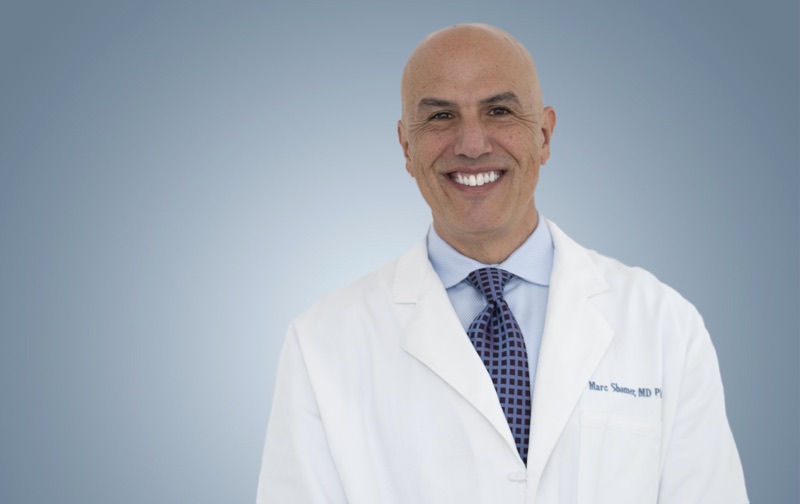
Board-certified ophthalmologist; Adjunct Associate Professor of Ophthalmology, Keck School of Medicine of USC; active California Qualified Medical Evaluator. Full biography · Curriculum vitae
Published August 2, 2026 · Last substantive review August 2, 2026 · Medical reviewer: Marc H. Shomer, MD, PhD, QME
Request a Conflict Check and Case Review
Submit the matter for conflict screening. Please do not send medical records or protected health information until conflicts are cleared and secure transfer instructions are provided.