Nevada Ophthalmology IME
Marc H. Shomer, MD, PhD, QME performs in-person ophthalmology independent medical examinations in Nevada, where he is a licensed physician, for personal injury, disability, and liability matters involving eye injury or vision loss. He is board-certified by the American Board of Ophthalmology and holds medical licenses in both Nevada and California, and he supplements in-person Nevada examinations with remote record review.
Ophthalmic IMEs for Nevada Matters
Nevada litigation generates the same categories of disputed vision claims seen elsewhere: motor vehicle collisions with claimed visual loss, workplace and premises injuries, assault and blunt trauma cases, chemical exposures, and disability claims turning on visual capacity. Resolving them requires an ophthalmologist who can examine the claimant, obtain objective testing, and write a report that ties findings to the disputed questions. Because subspecialty medical-legal ophthalmology is a narrow field, parties in Nevada matters frequently look out of state for qualified evaluators. Dr. Shomer travels to Nevada for examinations by arrangement and holds a Nevada medical license in addition to his California license.
Scope of the Examination
A Nevada ophthalmic IME follows the same structure as the examinations described on the ophthalmology IME page: a complete review of records before the appointment; a comprehensive examination including best-corrected visual acuity (BCVA), refraction, pupillary testing, intraocular pressure, slit-lamp biomicroscopy, and dilated retinal examination; and objective testing as the disputed issues require, automated visual field testing to quantify peripheral vision loss and optical coherence tomography (OCT), an objective cross-sectional retinal scan that does not depend on the examinee's responses. The written report addresses diagnosis, causation, measurable impairment, prognosis, and any additional questions posed by the requesting party, stated to a reasonable degree of medical probability with reasoning shown.
Typical Nevada Engagements
- Personal injury defense and plaintiff work: verifying or quantifying claimed vision loss after collisions, falls, and assaults, and separating incident-related injury from pre-existing disease such as cataract, glaucoma, or diabetic retinopathy.
- Disability evaluations, independent assessment of whether documented ocular pathology supports claimed functional limitations.
- Liability and casualty matters: alleged eye injury from products, chemicals, or premises conditions.
Where the underlying dispute is about the quality of ophthalmic care delivered in Nevada rather than the extent of an injury, the appropriate engagement is typically record-based expert witness consultation on standard of care and causation.
Remote Review for Matters Anywhere
Not every question requires an examination. When the issues are record-driven, whether prior care met the standard, whether documented findings support a claimed impairment, whether causation is medically plausible, Dr. Shomer provides remote record review nationwide, including chronology preparation and written reports. This is often the efficient first step: a record review can determine whether an in-person examination would actually change the analysis before the parties incur the cost of one. In-person examinations are available in Nevada, and elsewhere nationwide, by arrangement.
Key point: Dr. Shomer is licensed in Nevada as well as California, permitting direct in-person examination of Nevada claimants, and record review is available nationwide regardless of venue.
Honest Limits
The limits that apply to any IME apply in Nevada: the examination is a snapshot, undocumented baseline vision cannot be reconstructed, and subjective complaints are assessed for consistency with objective findings rather than directly measured. Nevada procedural rules governing examinations, notice, scope, observers, are questions for counsel; the medical evaluation itself is conducted the same way regardless of forum.
Scheduling and What to Provide
Requesting parties should provide complete medical records, actual imaging and visual field printouts rather than summaries, any pre-incident eye examinations, and a focused list of questions. Scheduling for Nevada examinations is coordinated through Dr. Shomer's office in Upland, California (909-981-9800), including arrangements for examination facilities and testing equipment appropriate to the issues in the case.
Frequently Asked Questions
Is Dr. Shomer licensed to practice in Nevada?
Yes. Dr. Shomer travels to Nevada for in-person independent medical examinations by arrangement. He is board-certified by the American Board of Ophthalmology and holds medical licenses in both Nevada and California.
Does every Nevada vision claim need an in-person IME?
No. When the disputed questions are record-driven, standard of care, documented impairment, causation plausibility, a remote record review may resolve them, and it often makes sense as a first step to determine whether an examination would add anything. In-person examination matters most when current findings and consistency testing are at issue.
What does a Nevada ophthalmic IME include?
Record review, a comprehensive eye examination (best-corrected acuity, refraction, pupils, pressure, slit-lamp and dilated examination), objective testing such as automated visual fields and OCT as indicated, and a written report addressing the requesting party's questions to a reasonable degree of medical probability.
Does the QME designation apply in Nevada?
No. QME is a California workers' compensation designation under Labor Code §139.2 and has no direct role in Nevada proceedings. In Nevada, Dr. Shomer serves as an independent medical examiner and expert consultant; his QME background reflects state-tested experience in impairment evaluation and medical-legal reporting.
Authorities Cited
Primary sources referenced on this page. Links open the official text on the publishing agency’s site.
Educational information only. This page provides general information for attorneys and other medical-legal professionals. It is not medical or legal advice, does not address any particular case, and does not create a physician-patient, attorney-client, or expert-client relationship. Opinions in any matter are formed only after review of the specific records, examination findings, and applicable literature. Past engagements do not guarantee any result.
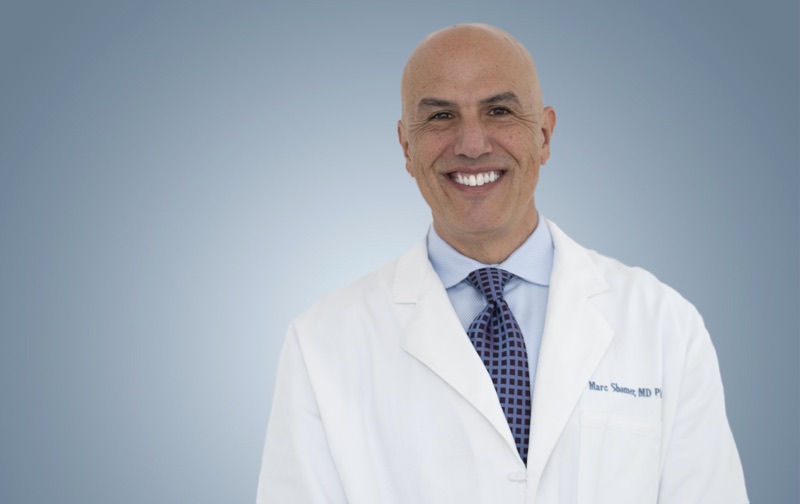
Board-certified ophthalmologist; Adjunct Associate Professor of Ophthalmology, Keck School of Medicine of USC; active California Qualified Medical Evaluator. Full biography · Curriculum vitae
Published August 2, 2026 · Last substantive review August 2, 2026 · Medical reviewer: Marc H. Shomer, MD, PhD, QME
Request a Conflict Check and Case Review
Submit the matter for conflict screening. Please do not send medical records or protected health information until conflicts are cleared and secure transfer instructions are provided.