Deposition and Trial Testimony
An expert opinion is only as useful as its presentation under oath. Dr. Marc H. Shomer has testified at deposition and in court across more than 13 years of medical-legal work, in plaintiff and defense matters, in civil and criminal contexts. His approach to testimony mirrors his approach to analysis: transparent reasoning, plain language, and opinions that stay within what the evidence supports.
What effective ophthalmic testimony requires
Ophthalmology is technical, and juries are not ophthalmologists. Effective testimony translates without distorting: explaining what an OCT scan actually measures, why best-corrected acuity is the number that matters, or how a visual field is read, in terms an attentive juror can follow and a cross-examiner cannot twist. Dr. Shomer's teaching background, from UCLA teaching assistantships and medical-school tutoring through his current faculty role at the Keck School of Medicine of USC, is directly relevant here: explaining complex material clearly is a skill his career has required continuously.
Deposition testimony
At deposition, discipline matters more than eloquence: answering the question asked, distinguishing facts from assumptions from opinions, and declining to speculate. Opinions prepared with transparent reasoning are inherently deposition-resistant, every conclusion traces to identified evidence, so there is no gap between the report and the testimony. Video depositions are routine and available for matters nationwide.
Trial testimony
At trial, the expert's task is to teach honestly. Objective ophthalmic evidence lends itself to demonstratives, imaging, field printouts, and anatomic diagrams, that make the medicine concrete. Dr. Shomer works with counsel on accurate demonstrative exhibits and presents opinions with the same measured tone in direct and cross-examination.
Opinions built for scrutiny. The best preparation for cross-examination happens months earlier, at the analysis stage: engaging alternative explanations, acknowledging honest limitations, and refusing overstatement. Testimony defends itself when the underlying opinion was built to be defensible.
Consultation on opposing experts
Separate from his own testimony, Dr. Shomer assists counsel in analyzing opposing expert reports, identifying unsupported inferences, imaging mischaracterizations, and internal inconsistencies, and in framing deposition examination on the ophthalmic issues.
Logistics
In-person testimony is available nationwide by arrangement. Remote testimony is available wherever the forum permits. Scheduling constraints and trial dates should be identified in the initial inquiry; see How to Retain an Ophthalmology Expert for timeline guidance.
Frequently Asked Questions
Has Dr. Shomer testified before?
Yes. His medical-legal experience of more than 13 years includes deposition testimony and courtroom testimony in both plaintiff and defense matters, including civil and criminal contexts.
Does he testify remotely?
Yes, wherever the forum permits. Video depositions are routine; remote trial testimony can be arranged subject to the court's rules. In-person appearances are available by arrangement nationwide.
How should counsel prepare him for testimony?
With the complete updated record, the operative pleadings and expert disclosures, opposing expert materials, and a preparation session. He does not testify beyond what the reviewed evidence supports, which is a constraint that consistently works in the retaining party's favor.
Educational information only. This page provides general information for attorneys and other medical-legal professionals. It is not medical or legal advice, does not address any particular case, and does not create a physician-patient, attorney-client, or expert-client relationship. Opinions in any matter are formed only after review of the specific records, examination findings, and applicable literature. Past engagements do not guarantee any result.
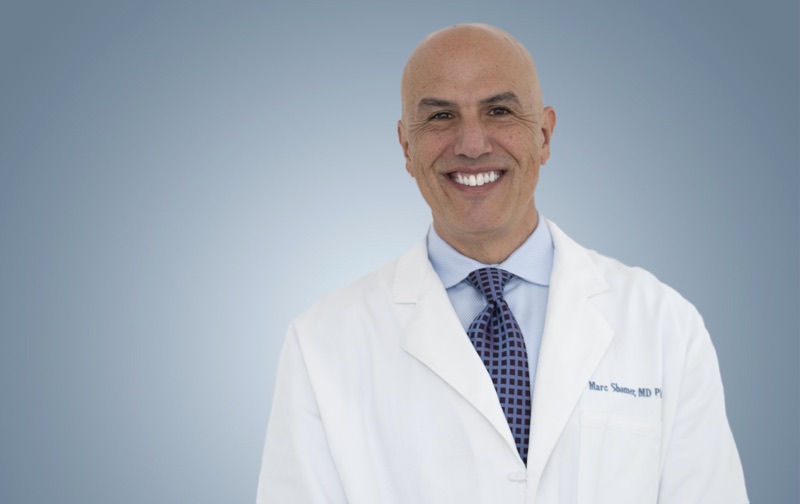
Board-certified ophthalmologist; Adjunct Associate Professor of Ophthalmology, Keck School of Medicine of USC; active California Qualified Medical Evaluator. Full biography · Curriculum vitae
Published August 2, 2026 · Last substantive review August 2, 2026 · Medical reviewer: Marc H. Shomer, MD, PhD, QME
Request a Conflict Check and Case Review
Submit the matter for conflict screening. Please do not send medical records or protected health information until conflicts are cleared and secure transfer instructions are provided.