How Engagement Works
Every engagement with Legal Eye Expert follows the same sequence: a conflict check, a written scope with fee terms, secure transfer of records, the review itself, then a report and testimony if the matter calls for them. Marc H. Shomer, MD, PhD, QME personally performs each step; there is no intake team, associate reviewer or referral service between counsel and the physician who will sign the report.
Step 1: The conflict check (before anything else)
The first contact is a request for a conflict check through the inquiry form or by telephone. It needs only the names of the parties, the treating physicians and facilities, and opposing counsel. Those names are screened against prior and current engagements and treatment relationships. Until the check clears, no case facts are discussed in detail and no records are sent. A conflict discovered after records have been shared can disqualify the expert and waste the work already done, which is why this step is never skipped.
Step 2: Scope, role and fee terms in writing
Once conflicts are cleared, counsel receives the fee schedule together with proposed engagement terms, before any commitment is made. The written engagement fixes three things: whether Dr. Shomer is retained as a consulting expert (advising counsel confidentially, generally not disclosed) or as a testifying expert (disclosed, producing discoverable reports and sworn testimony); the questions to be answered, such as standard of care, causation, impairment or prognosis; and the deliverables, from verbal impressions to a written report, deposition or trial testimony. Fees are not contingent on the outcome of the matter, which preserves the independence of the opinions.
Step 3: Secure transfer of records
Secure transfer instructions are provided after the engagement is signed. Records and protected health information should never be attached to the initial inquiry. The most useful first packet is short: a one to two page summary from counsel, the core ophthalmic records (office notes, operative reports and imaging) and the key dates. The complete chart, prior records that establish baseline vision, and diagnostic imaging in native digital format follow once the scope is agreed. The full checklist is at What Records to Provide.
Why native format matters. A printed summary of an optical coherence tomography (OCT) scan or a visual field is not the test. The native file carries the raw data, reliability indices and change analysis that make the study usable as evidence. Requesting it early also protects it from routine purge policies.
Step 4: The review
Dr. Shomer reads the complete record himself, interprets the imaging in native format, and researches the applicable literature. Where an examination is appropriate, it is scheduled at the Upland, California office or arranged elsewhere; record review is performed remotely for matters nationwide. A preliminary review of the core records often answers the questions that shape strategy: whether the claimed loss is documented objectively, whether the timeline of findings fits the alleged mechanism, and whether pre-existing disease complicates causation. An early answer that the records do not support a theory is delivered as candidly as one that they do.
Step 5: The report
A written report, when one is requested, sets out the records reviewed, the findings, the reasoning from evidence to conclusion, the alternative explanations considered, and the limits of what the record allows. Opinions are held to a reasonable degree of medical probability; those that cannot be supported are not offered. The structure of a rigorous report is described in Anatomy of an Ophthalmic Medical-Legal Report.
Step 6: Deposition and trial
Dr. Shomer provides deposition and courtroom testimony in addition to written reports and has done so for more than 13 years. Whether testimony is anticipated should be stated at engagement, because testifying and consulting roles carry different disclosure consequences. See Deposition and Trial Testimony.
Timing
A review can begin as soon as the conflict check clears and records are received. Overall turnaround depends on record volume and on whether imaging has to be obtained in native format, so early engagement gives the most flexibility ahead of disclosure deadlines. Reviews frequently identify missing records that must then be subpoenaed, a cycle that can add weeks; building that time in is far better than compressing everything into the final month. Guidance on sequencing is at How to Retain an Ophthalmology Expert.
California workers’ compensation matters
Qualified Medical Evaluator and Agreed Medical Evaluator evaluations follow the procedures set by the Division of Workers’ Compensation rather than a private engagement letter: panel assignment, the exchange of records, the examination and the report timelines are all governed by statute and regulation. Those steps are described at California QME Ophthalmologist and answered in the QME FAQs.
Frequently Asked Questions
What do I need to start a conflict check?
Only the names of the parties, the treating physicians and facilities involved, and opposing counsel. No records and no detailed case discussion are needed or wanted at that stage.
When are the fees disclosed?
A fee schedule is provided on request together with the proposed engagement terms, after conflicts clear and before any commitment is made. Fees are not contingent on the outcome of the matter.
Does Dr. Shomer review the records personally?
Yes. Legal Eye Expert is not a referral directory or placement service. Counsel works directly with the ophthalmologist who reads the records, interprets the imaging, examines the claimant when appropriate, writes the report and testifies.
Can the engagement be handled entirely remotely?
Record and imaging review is performed remotely for matters nationwide, and many questions, including standard of care, record-based causation and imaging interpretation, can be fully addressed that way. In-person examinations, when needed, are available by arrangement.
How should records be sent?
Through the secure transfer instructions provided after the engagement is signed. Do not send records or protected health information with the initial inquiry.
Educational information only. This page provides general information for attorneys and other medical-legal professionals. It is not medical or legal advice, does not address any particular case, and does not create a physician-patient, attorney-client, or expert-client relationship. Opinions in any matter are formed only after review of the specific records, examination findings, and applicable literature. Past engagements do not guarantee any result.
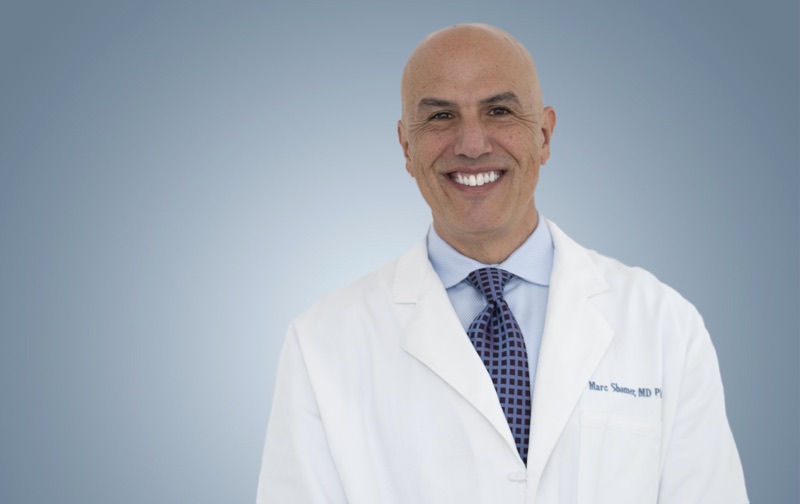
Board-certified ophthalmologist; Adjunct Associate Professor of Ophthalmology, Keck School of Medicine of USC; active California Qualified Medical Evaluator. Full biography · Curriculum vitae
Published September 16, 2026 · Last substantive review September 16, 2026 · Medical reviewer: Marc H. Shomer, MD, PhD, QME
Request a Conflict Check and Case Review
Submit the matter for conflict screening. Please do not send medical records or protected health information until conflicts are cleared and secure transfer instructions are provided.