Laser-Assisted Cataract Surgery Expert Witness
A laser-assisted cataract surgery expert witness evaluates claims involving femtosecond laser-assisted cataract surgery, in which a laser performs steps of the operation that are otherwise done by hand. Marc H. Shomer, MD, PhD, QME has performed cataract surgery in private practice since 2010 and laser-assisted cataract surgery routinely for the past ten years, teaches cataract surgery at the Keck School of Medicine of USC, and reviews these matters for plaintiff and defense counsel nationwide.
Laser-assisted surgery is usually sold to the patient as an upgrade, at an added out-of-pocket cost. Claims arise when a complication occurs during the laser portion of the case, when the patient learns that the evidence does not show better results, or when the charge itself is questioned.
What the laser does and does not do
The femtosecond laser can create the corneal incisions, cut the circular opening in the front of the lens capsule (the capsulotomy), soften or divide the cataract, and place curved corneal incisions to reduce astigmatism. The eye is held to the machine by a suction interface while the laser fires. The surgeon then removes the cataract with ultrasound and implants the lens exactly as in a conventional operation. The laser does not remove the cataract, and it does not replace the surgeon’s judgment in the steps that carry most of the risk.
What the evidence shows
- FEMCAT. A randomized trial at five French university hospitals found no significant difference in surgical success between laser-assisted and conventional surgery and concluded that the laser, at higher cost, did not provide an additional benefit.
- FACT. A randomized trial of 785 patients in the United Kingdom found laser-assisted surgery not inferior to conventional surgery at three months. In both arms, 71 percent of eyes were within half a diopter of the intended refraction.
- Cochrane review. A 2023 review of 42 randomized studies concluded there is probably little or no difference between the two methods in complications, visual acuity or quality of life, and that the laser may be the less cost-effective option.
The consequence for litigation runs in both directions. Using the laser is not a departure from the standard of care, and neither is declining to offer it. A statement to a patient that the laser makes surgery safer or produces better vision is difficult to support with the randomized evidence.
Complications particular to the laser
- Anterior capsule tears. A laser capsulotomy is made of thousands of adjacent pulses. If the cut is incomplete, small bridges or tags of capsule remain, and a tear can start there when the capsule is removed. One prospective comparison found anterior capsule tears in 1.87 percent of laser cases against 0.12 percent of conventional cases, with seven tears extending to the posterior capsule. A later series of more than 4,000 cases from the same group found 1.84 percent against 0.22 percent, with no significant difference in posterior capsule tears.
- Suction loss. If the eye moves or suction breaks while the laser is firing, the treatment is interrupted or misplaced. The machine’s treatment log records it.
- Pupil constriction. The pupil can narrow after the laser step, which makes the rest of the operation harder. The same 4,000-case series reported more miosis in laser cases.
- Learning curve. Complication rates are higher in a surgeon’s early laser cases. How many the surgeon had performed is a legitimate question.
Once the laser step is finished, the remaining risks are those of any cataract operation, covered at Cataract Surgery Expert Witness.
What patients can be charged
Guidance issued by the Centers for Medicare and Medicaid Services on November 16, 2012 states that Medicare coverage and payment for cataract surgery is the same whether the surgery is performed with conventional techniques or a bladeless, computer-controlled laser. A Medicare beneficiary therefore cannot be charged an additional fee simply because a laser was used for the covered steps of cataract removal. Additional charges are permitted for non-covered services, such as imaging that is necessary to implant a presbyopia-correcting or astigmatism-correcting lens and is not performed when a conventional lens is implanted.
Whether a particular fee was proper is a legal question for counsel. The medical record supplies the facts it depends on: which steps the laser actually performed, whether a premium lens was implanted or astigmatism was treated, and what the patient was told the fee was for. See Premium Intraocular Lenses.
Ask for the laser’s own record. Femtosecond platforms generate a treatment report for each eye: the planned pattern, energy settings, suction events and often images or video of the capsulotomy. It is frequently missing from the chart produced in discovery and has to be requested specifically. It is the best evidence of what happened during the laser portion of the case.
Consent and marketing
The Code of Ethics of the American Academy of Ophthalmology requires that communications to the public be accurate and not misleading. In a laser case the consent analysis therefore includes the practice’s website, brochures and the counseling script, alongside the signed form. The questions are whether the patient was told that conventional surgery was an available alternative with comparable results, what benefit was represented, and what the laser added to the risk. See Informed Consent in Eye Surgery.
Causation
The causation question is whether the injury came from the laser step or from something that would have happened in a conventional operation as well. A capsule tear that begins at a laser tag and extends backward, with loss of lens material into the vitreous, is a laser-related chain of events. A retinal detachment months later in a highly nearsighted eye may have nothing to do with the laser. Dr. Shomer traces the sequence from the treatment log, the operative note and any surgical video, and states which events are attributable to the laser and which are not.
Frequently Asked Questions
Is laser-assisted cataract surgery safer or better than conventional surgery?
Randomized trials have not shown that. The FEMCAT trial found the laser was not superior, the FACT trial found it not inferior, and a 2023 Cochrane review of 42 studies concluded there is probably little or no difference in complications, visual acuity or quality of life.
Is it below the standard of care not to offer laser-assisted surgery?
No. Conventional phacoemulsification remains a fully accepted way to remove a cataract, and the randomized evidence shows comparable outcomes. Offering the laser is also within the standard of care. The disputes usually concern how the choice was presented.
Can a Medicare patient be charged extra for the laser?
CMS guidance from November 16, 2012 states that Medicare coverage and payment for cataract surgery is the same whether conventional techniques or a laser are used. Additional charges are permitted only for non-covered services, such as imaging needed to implant a presbyopia-correcting or astigmatism-correcting lens.
What complications are specific to the laser?
Incomplete capsulotomy with capsule tags and anterior capsule tears, loss of suction during treatment, and constriction of the pupil after the laser step. In one comparison, anterior capsule tears occurred in 1.87 percent of laser cases and 0.12 percent of conventional cases.
Authorities Cited
Primary sources referenced on this page. Links open the source on the publisher’s or agency’s site.
Educational information only. This page provides general information for attorneys and other medical-legal professionals. It is not medical or legal advice, does not address any particular case, and does not create a physician-patient, attorney-client, or expert-client relationship. Opinions in any matter are formed only after review of the specific records, examination findings, and applicable literature. Past engagements do not guarantee any result.
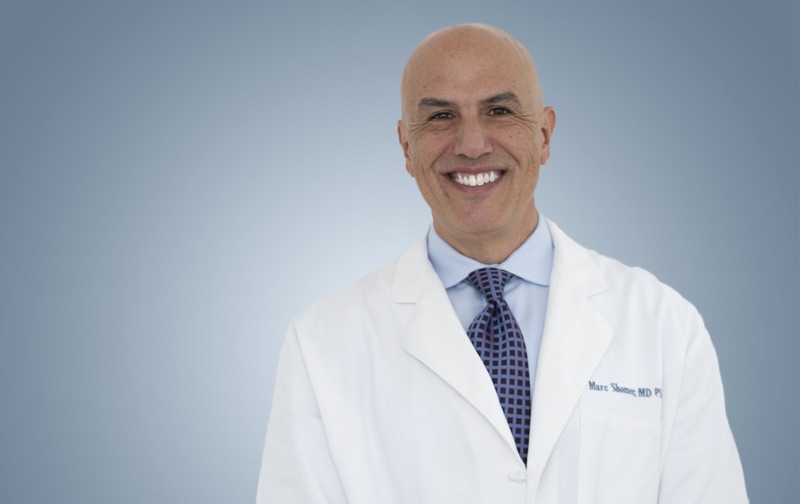
Board-certified ophthalmologist; Adjunct Associate Professor of Ophthalmology, Keck School of Medicine of USC; active California Qualified Medical Evaluator. Full biography · Curriculum vitae
Published October 5, 2026 · Last substantive review October 5, 2026 · Medical reviewer: Marc H. Shomer, MD, PhD, QME
Request a Conflict Check and Case Review
Submit the matter for conflict screening. Please do not send medical records or protected health information until conflicts are cleared and secure transfer instructions are provided.